
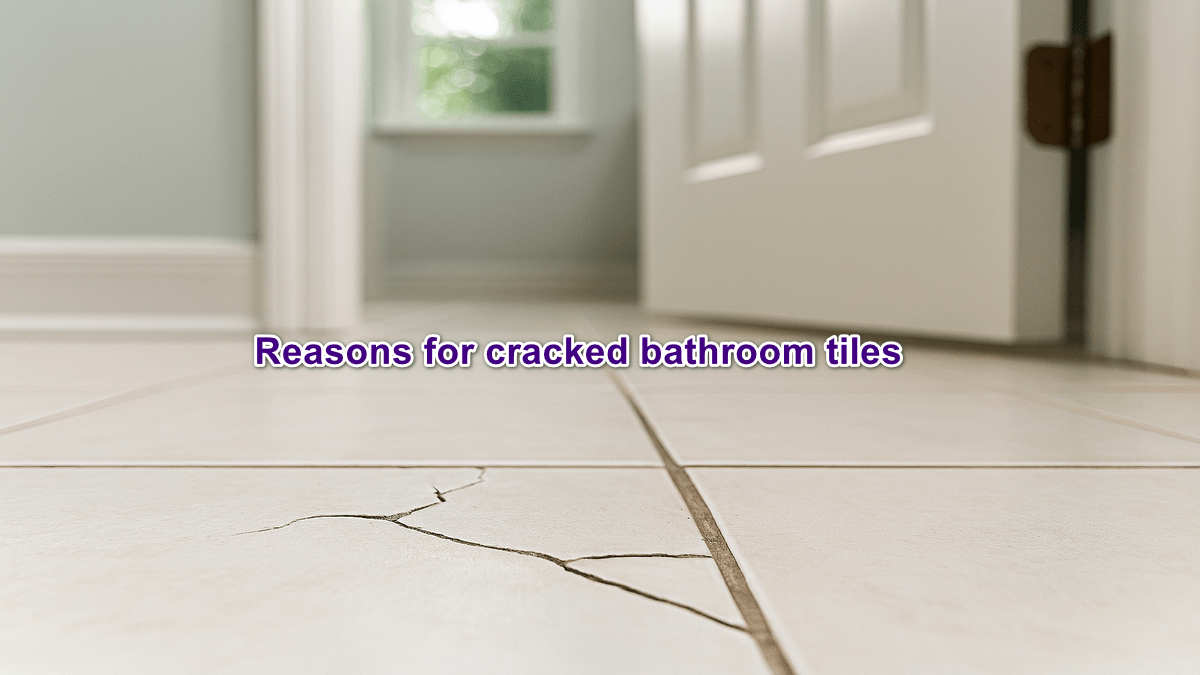
Cracking bathroom tiles may seem like a minor aesthetic issue, but in reality, they often point to underlying problems that can become expensive if left unattended. A single crack might indicate excess moisture, poor installation, or even structural shifts beneath your flooring. Understanding what causes these cracks—and how to fix them—can help protect your bathroom’s beauty and prevent future damage.
Bathroom tiles are designed to withstand daily wear, heat, and moisture. However, when cracks begin to form, it’s a signal that something has gone wrong. Before we dive into how to repair them, let’s explore what those cracks really mean.
What Causes Bathroom Tiles to Crack?
While bathroom tiles are designed to withstand daily wear, moisture, and temperature changes, several hidden factors can lead to cracks over time. Sometimes it’s the foundation moving, sometimes it’s a result of trapped humidity or incorrect adhesive. Let’s explore the most common causes of cracking bathroom tiles and what each of them means for your home.
1. What Cracking Bathroom Tiles Tell You About Your Home
Cracking bathroom tiles are more than just a cosmetic flaw. They can reveal critical information about your bathroom’s condition and the materials beneath it.
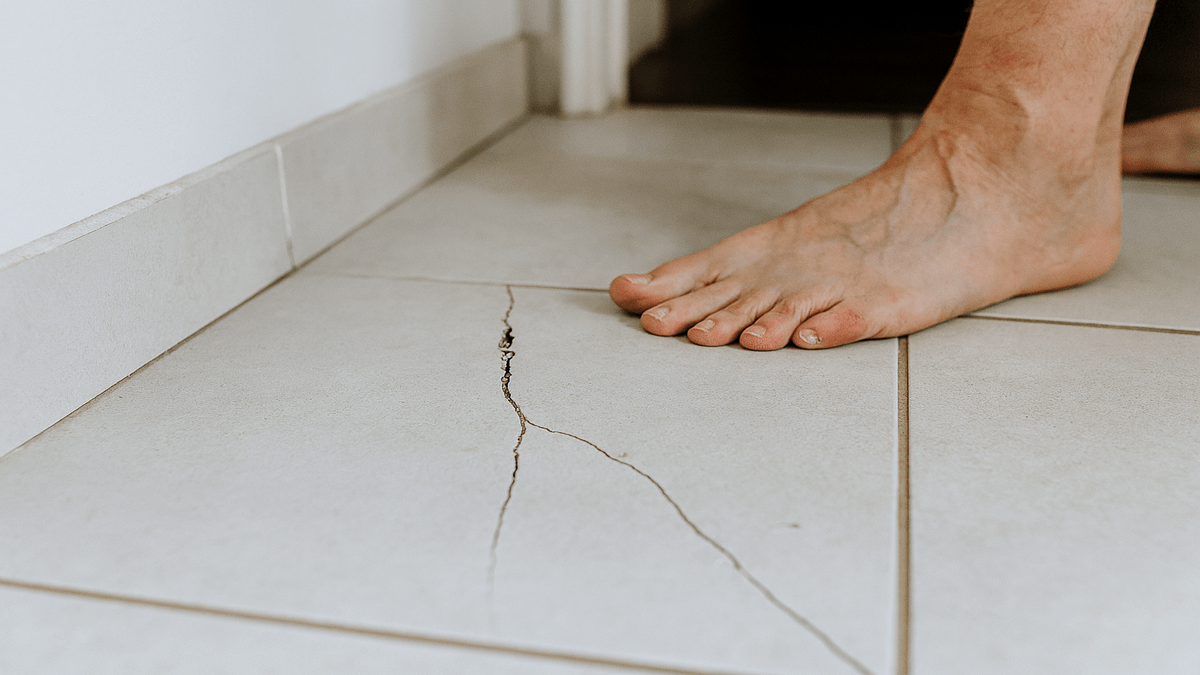
a. Foundation Movement
Over time, homes naturally settle. However, if the settling is uneven, the subfloor under your bathroom can shift or sink slightly. When the foundation moves, even durable tiles can crack because they’re rigid and unable to flex.
b. Moisture Problems
Bathrooms are high-humidity environments, and if waterproofing wasn’t properly installed, moisture can seep under the tiles. This weakens the adhesive and leads to cracking or lifting. For homeowners, using best moisture-resistant tiles is an excellent way to minimize this risk from the start.
c. Improper Installation
Sometimes, the problem lies not in the tile but in the installation process. If tiles were laid without sufficient adhesive coverage or if the subfloor wasn’t leveled, pressure points form that cause cracks to appear months or even years later.
d. Temperature Changes
Frequent temperature changes—from hot showers to cold air—cause materials to expand and contract. Tiles, especially those installed near bathtubs or underfloor heating, are particularly vulnerable to this stress, leading to gradual cracking.
2. The Hidden Dangers of Ignoring Cracked Tiles
It’s tempting to ignore a few small cracks, but doing so can allow water to penetrate the subfloor and create much larger problems. Once water gets beneath tiles, it can cause mold growth, rotting wood, and even structural damage.
Furthermore, broken tiles can be sharp, posing a safety hazard—especially in households with children. Cracked tiles also diminish your bathroom’s visual appeal, lowering property value if you’re planning to sell your home.
Interestingly, even decorative tile designs like Black Hexagon Tile for Bathroom can face similar cracking issues if they’re not installed properly or exposed to consistent moisture.
3. Common Causes of Cracking Bathroom Tiles
Let’s explore some of the most frequent causes behind this frustrating issue:
a. Subfloor Problems
A weak or uneven subfloor is one of the leading causes of cracking. The subfloor should be firm, dry, and properly reinforced before tiles are laid. Flexible cement boards or decoupling membranes are often used to prevent tile movement.
b. Wrong Adhesive or Grout
Using the wrong type of adhesive or grout can cause tiles to shift over time. For example, using a non-flexible adhesive in areas exposed to temperature changes can easily lead to cracks.
c. Heavy Impact
Dropping something heavy—like a hairdryer or even a glass bottle—can cause a tile to crack instantly. While this is an isolated issue, it can still expose the area beneath the tile to moisture damage.
d. Natural Wear Over Time
Even high-quality tiles can develop cracks after decades of use. Constant foot traffic, exposure to moisture, and structural aging can all contribute.
4. How to Repair Cracking Bathroom Tiles
Repairing cracked bathroom tiles doesn’t always mean replacing the entire floor. Here’s a step-by-step guide to handling the problem effectively.
Step 1: Assess the Damage
Determine if the crack is superficial or structural. Hairline cracks can often be repaired, while deeper ones may require replacement.
Step 2: Clean the Area
Before applying any repair material, clean the tile surface and remove debris or loose grout. Dirt or moisture trapped beneath repair products can weaken the bond.
Step 3: Fill Minor Cracks
Use epoxy or a color-matched tile filler to seal hairline cracks. Once it dries, polish the area to blend with the surrounding tile.
Step 4: Replace Severely Damaged Tiles
If cracks are deep or extensive, it’s best to remove the damaged tile completely. Carefully chisel it out, clean the area, and apply new adhesive before placing a replacement tile.
When choosing replacements, it helps to understand different tile materials. For instance, What Is Porcelain Tile can make a big difference in your choice—it’s denser, more durable, and less porous than ceramic, making it ideal for high-moisture areas like bathrooms.
Step 5: Reseal the Grout
Once the repair or replacement is done, reseal the grout lines to prevent moisture penetration and extend your tile’s lifespan.
5. Preventing Cracking Bathroom Tiles in the Future
Prevention is always better than repair. Here are some proven tips to keep your tiles crack-free:
-
Ensure Proper Installation: Always hire qualified professionals who understand subfloor leveling, tile spacing, and adhesive selection.
-
Use Quality Materials: Invest in premium adhesives and grouts that are flexible and water-resistant.
-
Choose the Right Tiles: Understanding What is Checkerboard Tile or other tile styles can help you pick options that combine durability with design.
-
Control Moisture: Use ventilation fans to manage humidity and prevent moisture buildup.
-
Inspect Regularly: Look for small cracks or loose tiles before they expand into more significant issues.
6. When to Call a Professional
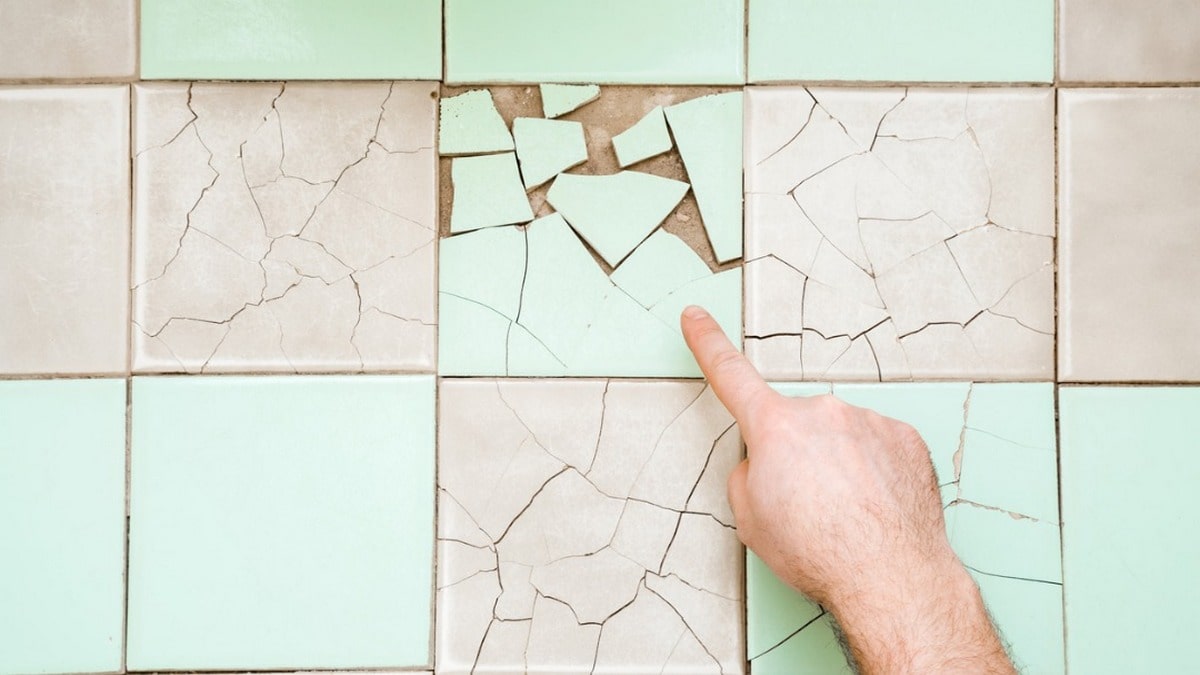
If you’ve noticed multiple cracks spreading across your bathroom floor or wall, it’s best to consult a tile repair specialist. Professionals can assess whether the issue lies in the tile surface or deeper in the subfloor or plumbing. Early intervention can save you from costly water damage repairs later on.
Conclusion
Cracking bathroom tiles might look harmless, but they can signal serious underlying problems. Whether it’s poor installation, foundation movement, or excessive moisture, understanding the root cause is key to a lasting solution. By addressing cracks early and using the right materials, you can restore your bathroom’s beauty and prevent future damage.
With the right care, high-quality tiles and proper installation techniques will keep your bathroom safe, stylish, and crack-free for years to come.