
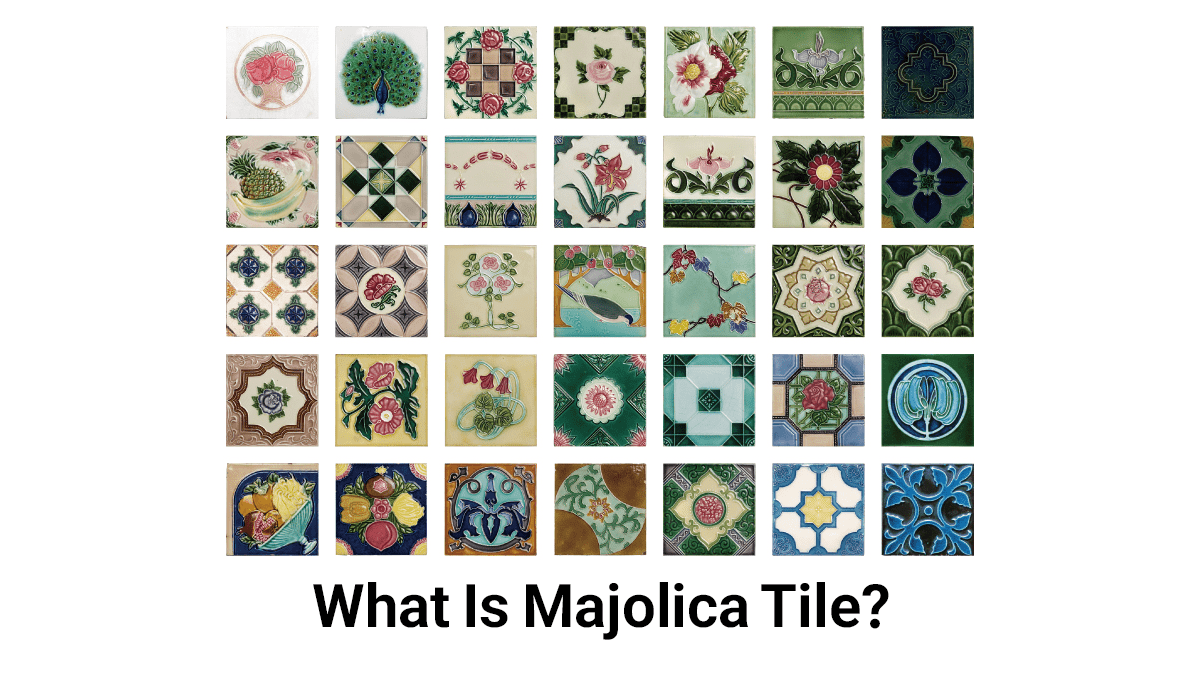
When you first hear the question “What Is Majolica Tile?”, you might imagine colorful, hand-painted ceramics that capture old-world charm. And you’d be right — Majolica tiles are a centuries-old art form that blends craftsmanship with vibrant design. These tiles are admired for their glossy glaze, rich colors, and detailed motifs that can transform any surface into a work of art.
Majolica has a long history dating back to the Renaissance, where artisans in Italy, Spain, and Portugal perfected the technique of coating earthenware with a tin-based glaze. This gave tiles their signature opaque white surface, which was then hand-painted with vivid designs before firing. The result? Durable, radiant tiles that became synonymous with European elegance. If you’ve ever asked yourself What Is Majolica Tile used for in modern homes, the answer lies in its mix of durability and artistry.
What Is Majolica Tile? Understanding Its Origin and Craftsmanship
To truly understand What Is Majolica Tile, it helps to look at how it’s made. Unlike mass-produced ceramics, Majolica tiles are created using a meticulous process. The clay base is first shaped and fired at a low temperature. Then, a white glaze made from tin oxide is applied, providing a smooth canvas for painting. Artists paint intricate floral, geometric, or narrative designs before firing the tile again at a slightly lower temperature, locking in the colors beneath a glossy finish.
This technique gives Majolica tiles their distinctive look — bright, expressive, and slightly translucent. Each tile is unique, reflecting the hand of the artisan. In modern interior design, this handmade character makes Majolica a standout choice for anyone who values authenticity and artistic charm. That’s why interior designers often explain What Is Majolica Tile as both an art form and a building material.
Interestingly, because Majolica tiles are porous, homeowners often compare them to best moisture-resistant tiles when choosing where to install them. While Majolica offers beauty and personality, it’s typically used on walls rather than floors or areas exposed to direct water.
The Historical Significance of Majolica Tiles
The story of Majolica begins in the Mediterranean. The term “Majolica” is believed to derive from the island of Majorca, a key trading hub that connected Islamic ceramic traditions with European markets. Over centuries, Italian artisans, especially in regions like Deruta and Faenza, refined the craft into a symbol of Renaissance artistry.
Majolica tiles adorned palaces, churches, and noble homes — each tile telling stories of mythology, nature, and daily life. Today, that same decorative richness appeals to designers who seek to blend classical beauty with contemporary functionality. Learning What Is Majolica Tile also means appreciating its cultural and artistic journey through history.

Where to Use Majolica Tiles in Your Home
Once you understand What Is Majolica Tile, the next step is knowing where it fits best in your home design. Because of their ornate appearance and glossy texture, Majolica tiles are typically used as accent pieces rather than full coverings.
Here are some of the most stunning ways to use them:
1. Kitchen Backsplashes
Majolica tiles create a bold, artistic focal point behind your stove or sink. Their glossy surface reflects light, making kitchens feel warmer and more inviting.
2. Bathroom Walls
In bathrooms, Majolica tiles can be used to highlight a vanity area or shower niche. Pairing them with modern geometric styles like Black Hexagon Tile for Bathroom can produce a striking contrast between traditional art and modern minimalism.
3. Fireplace Surrounds
Because they’re heat-resistant, Majolica tiles are perfect for decorating fireplaces. Their rich colors add texture and warmth to otherwise neutral living spaces.
4. Entryways and Accent Walls
Using Majolica as an entryway feature wall or hallway border gives your home a touch of European sophistication right from the moment guests walk in.
Designing with Majolica: Blending Tradition and Modern Style
Majolica tiles are versatile, fitting both traditional and contemporary aesthetics. In modern homes, they’re often mixed with simple materials like wood or stone to create balance. The key to success lies in contrast: pair bold, hand-painted tiles with neutral tones to let their beauty stand out.
If you’ve ever explored patterns like What is Checkerboard Tile, you’ll see how geometric arrangements can define space. Similarly, Majolica tiles can be arranged to create rhythm and movement — whether through repeated motifs or eclectic combinations. Designers often use them as a “statement feature” in minimalist interiors.
Maintenance and Durability
Because Majolica tiles are coated with a delicate glaze, they require a bit of care. Regular cleaning with mild, non-abrasive products keeps their colors bright. It’s important to avoid harsh chemicals or scrubbing tools that could dull the glaze.
While not as rugged as porcelain or stone, Majolica tiles can last decades when installed properly. This makes them perfect for vertical applications or areas with light wear. For flooring or high-moisture zones, combining them with tougher materials is a smart approach.
Some homeowners even compare their longevity to other types of ceramics, especially when dealing with issues like cracking bathroom tiles — a reminder that every material has its ideal use case.
How Majolica Tiles Are Inspiring Modern Designers?
Designers today love Majolica tiles for their ability to add texture, color, and personality. They embody “handcrafted luxury,” a quality that feels rare in an age of uniform, machine-made surfaces. From boutique hotels to high-end restaurants, Majolica tiles are used to create statement walls and feature zones that draw attention instantly.
Their versatility extends beyond interiors — Majolica tiles also appear in outdoor patios and garden walls, where they add Mediterranean charm. Some designers use them alongside terracotta or glazed porcelain to play with contrast, especially when clients want an artistic yet timeless look.
The Difference Between Majolica and Other Tile Types
Many people confuse Majolica with regular ceramic or porcelain tiles, so understanding the difference is essential when answering What Is Majolica Tile.
-
Majolica Tile: Hand-painted, tin-glazed, artistic, and typically used on walls.
-
Porcelain Tile: Fired at a higher temperature, denser, and more water-resistant, ideal for floors and wet areas.
-
Ceramic Tile: More common, affordable, and available in mass-produced designs.
For homeowners considering alternatives, it’s worth learning about What Is Porcelain Tile, since it offers durability where Majolica might not be suitable, like in high-traffic or wet zones.

Styling Tips for Incorporating Majolica Tiles
-
Mix and Match: Combine neutral tiles with a few Majolica pieces for a subtle artistic touch.
-
Frame It: Use Majolica tiles like artwork — frame them on walls for a gallery-style effect.
-
Color Harmony: Pair their vibrant tones with complementary materials like brass, wood, or marble.
-
Balance Old and New: Majolica tiles pair beautifully with modern fixtures, creating an eclectic yet cohesive design.
A growing design trend combines Majolica tiles with modern layouts, similar to the visual rhythm of checkerboard or hexagon tiles. These combinations bridge the gap between tradition and innovation.
Why Majolica Tiles Are a Timeless Choice
Ultimately, what makes Majolica tiles timeless is their story. They connect art, history, and craftsmanship in a way few modern materials can. Each tile embodies a piece of human creativity — no two are ever identical. Whether you use them in a classic villa or a sleek city apartment, Majolica tiles offer warmth, color, and individuality.
When people ask, “What Is Majolica Tile?”, the answer goes beyond a definition. It’s not just a material — it’s a celebration of art, culture, and beauty that endures through centuries.
Conclusion
Now that you know What Is Majolica Tile, it’s clear why this artistic ceramic has remained a design favorite for centuries. Its ability to blend traditional craftsmanship with modern aesthetics makes it one of the most expressive materials in interior design. Whether you’re renovating a bathroom, creating a statement kitchen backsplash, or designing a cozy Mediterranean-inspired space, Majolica tiles bring warmth, texture, and timeless elegance to every project.
By understanding their origins, proper use, and maintenance needs, you can enjoy their beauty for decades without compromise. Majolica isn’t just a tile — it’s a piece of art that tells a story, infusing every room with color, culture, and character.