
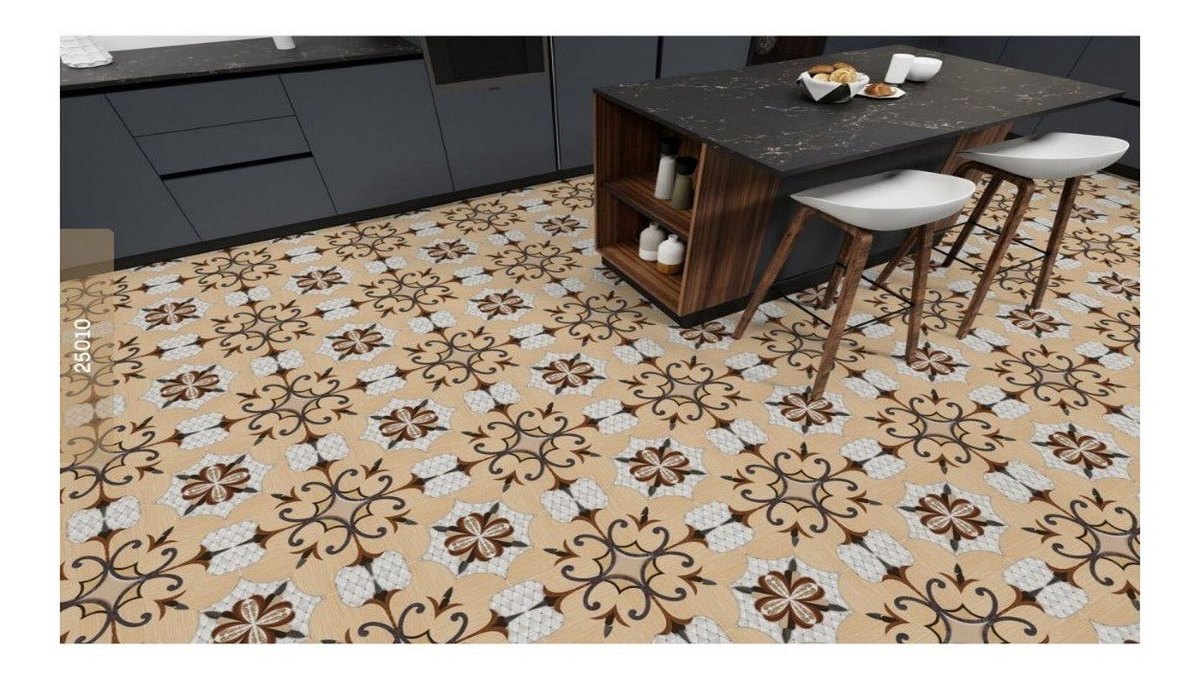
In the ever-evolving world of interior design, trends come and go, but some styles never truly disappear—they simply evolve. One such design revival is the renewed fascination with traditional tiles. From rustic kitchens to minimalist bathrooms, homeowners and designers are rediscovering the artistry, texture, and cultural heritage that these tiles bring to any space. Unlike fleeting design fads, heritage tiles offer both historical charm and modern functionality, creating a bridge between the past and present.
This resurgence isn’t just about nostalgia; it’s about quality, sustainability, and a desire to connect with authentic craftsmanship. As homeowners move away from mass-produced finishes, the individuality of traditional tiles brings depth, warmth, and personality back into contemporary homes.
The Heritage of Traditional Tiles
To appreciate the comeback, one must first understand the legacy of traditional tiles. These tiles have deep cultural roots across Mediterranean, Middle Eastern, and Asian architecture. Historically handmade and fired in kilns, their designs often reflected local traditions and artistry. Each tile told a story—of craftsmanship, patience, and cultural identity.
From intricate Moroccan zellige patterns to Victorian encaustic designs, classic tiles have always symbolized craftsmanship and endurance. They were once a sign of sophistication, adorning palaces, churches, and stately homes. Today, they continue that legacy, but in a more accessible and sustainable form suitable for modern homes.
Interestingly, when exploring historical craftsmanship, we also encounter artistic techniques such as What Is Majolica Tile, another beautiful example of traditional glazing that influenced tile design through its hand-painted details and glossy finish.
Why Homeowners Are Rediscovering Traditional Tiles
Modern homeowners are increasingly turning back to traditional tiles for several reasons:
-
Authenticity: In a world of digital prints and synthetic materials, authentic tilework provides a tactile, organic feel.
-
Sustainability: Many traditional tiles are made using eco-friendly materials and time-honored production methods.
-
Durability: Properly installed and sealed, these tiles can last for decades without losing their charm.
-
Aesthetic Versatility: They blend effortlessly with styles ranging from rustic farmhouse to sleek modern minimalism.
In kitchens, living rooms, and especially bathrooms, the comeback of classic tiles is proof that design rooted in history can still feel fresh and relevant.
The Role of Craftsmanship and Modern Technology
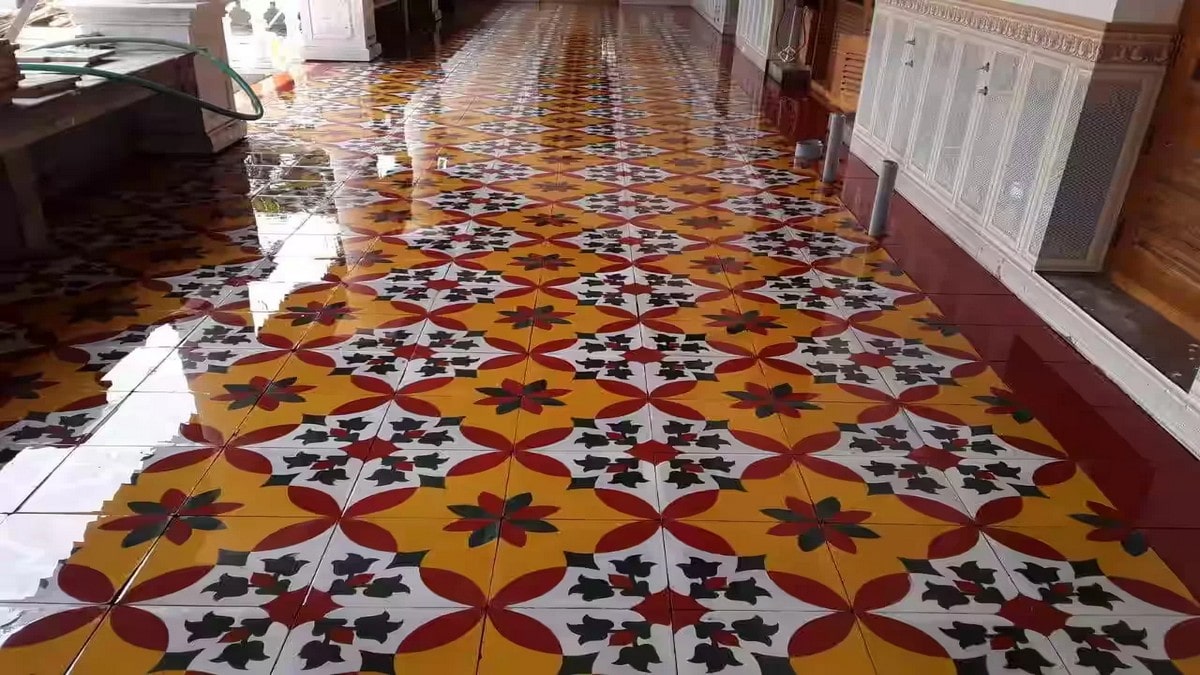
While the beauty of traditional tiles lies in their handcrafted appeal, modern manufacturing techniques have expanded what’s possible. Today’s tiles can replicate historical motifs while meeting the technical demands of modern living. Advanced printing methods ensure every tile captures the intricate look of hand-painted art, but with improved durability and consistency.
Still, not everything is machine-made. Many artisans continue to craft classic tiles by hand, preserving methods that have been passed down for generations. This blend of craftsmanship and innovation is what makes the current revival so special.
Design Possibilities with Traditional Tiles
What makes traditional tiles so appealing is their adaptability. Whether you’re aiming for a Mediterranean-inspired kitchen or a bold retro bathroom, there’s a traditional pattern for every taste.
-
Kitchen Backsplashes: Geometric or floral patterned tiles create a focal point behind stoves and sinks.
-
Bathrooms: Encaustic and cement tiles bring color and life to walls and floors, turning ordinary bathrooms into relaxing retreats.
-
Outdoor Spaces: Textured classic tiles can extend the design flow from indoor to outdoor, offering durability against weather and wear.
Speaking of bathrooms, homeowners often worry about Cracking Bathroom Tiles. Traditional tiles, being dense and well-fired, are typically less prone to cracking than cheaper alternatives, especially when installed by professionals using proper adhesives and grouts.
Blending Old and New: The Aesthetic Harmony
One of the reasons traditional tiles are thriving again is their ability to coexist with modern materials. Pairing old-world designs with concrete countertops or minimalist cabinetry creates a stunning contrast that feels timeless.
Designers often recommend mixing textures—matte finishes against gloss, neutral tones with bold colors—to make a space feel layered and rich. This approach allows classic tiles to remain relevant even in the most contemporary settings.
The return of these tiles also aligns with broader design movements celebrating craftsmanship and imperfection, such as the Japanese concept of wabi-sabi, where beauty is found in irregularity and authenticity.
Durability and Functionality
Beyond their visual appeal, traditional tiles are incredibly practical. Their resistance to moisture and stains makes them ideal for high-traffic and humid areas. Many varieties, such as encaustic cement and terracotta tiles, are naturally hard-wearing and easy to clean.
For areas prone to moisture, homeowners often choose the best moisture-resistant tiles, ensuring longevity without compromising on style. Proper sealing further enhances performance, making traditional tiles suitable even for outdoor patios and pool surrounds.
The Emotional and Cultural Appeal
What sets traditional tiles apart from other materials is the emotional connection they foster. Each pattern carries cultural symbolism — from Mediterranean sunbursts to Moroccan stars — representing the art, history, and spirit of the people who made them.
Installing classic tiles isn’t just about decorating a space; it’s about bringing a piece of global heritage into your home. Their imperfections, slight color variations, and unique patterns are what make them feel alive and human.
Sustainability and Eco-Conscious Living
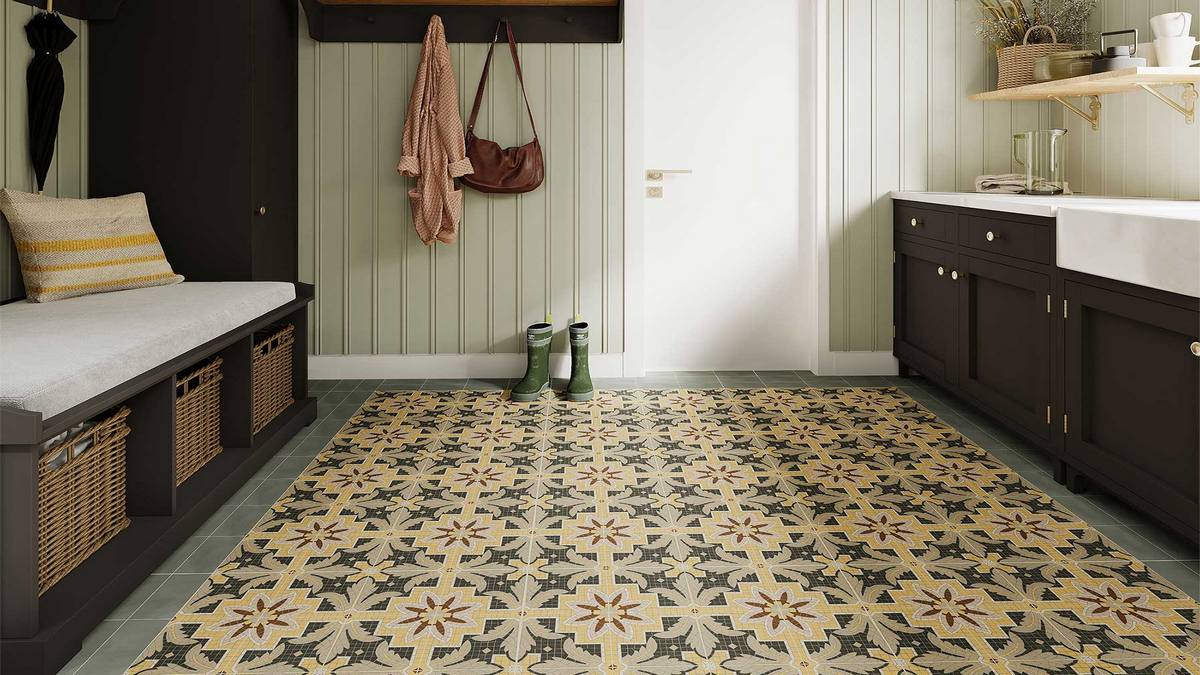
As sustainability becomes a top priority, many homeowners appreciate the eco-friendly nature of traditional tiles. Unlike synthetic flooring, tiles made from natural clay and minerals are recyclable, durable, and free from toxic emissions. Many manufacturers also use renewable energy sources and locally sourced materials, reducing the carbon footprint.
Moreover, the long life cycle of traditional tiles means less waste and fewer replacements — an investment not just in beauty, but also in environmental responsibility.
Popular Styles in Modern Homes
The versatility of classic tiles shines through their many regional styles:
-
Moroccan Tiles: Known for geometric complexity and bold colors.
-
Encaustic Cement Tiles: Famous for matte finishes and intricate motifs.
-
Terracotta Tiles: Add warmth and rustic charm.
-
Victorian Patterns: Elegant and classic, perfect for heritage homes.
Interestingly, the current trend has also seen homeowners mixing styles. A modern living room might pair cement tiles with wood-look finishes — a combination that subtly reminds us of What Is Wood Effect Porcelain Tiles, where technology mimics the natural look of wood through durable porcelain.
Installation and Maintenance
Proper installation is key to maintaining the beauty of traditional tiles. It’s essential to use the correct adhesive, allow adequate curing time, and seal the surface if necessary. When cared for properly, they can retain their vibrant colors and textures for generations.
Maintenance is simple — a gentle cleaner and regular sweeping are often all that’s required. Avoid abrasive chemicals that can dull the surface or damage the glaze.
Challenges and Misconceptions
While traditional tiles are celebrated for their beauty, some misconceptions persist. Many assume they’re fragile or difficult to maintain. However, with modern improvements in manufacturing, most traditional-style tiles are just as durable as their contemporary counterparts.
In reality, issues like cracking or fading usually stem from improper installation, not from the tile’s design itself. With professional fitting and care, classic tiles remain as resilient as they are elegant.
How Traditional Tiles Enhance Modern Sustainability and Aesthetics
The fusion of modern design principles with classic materials reflects a growing appreciation for authenticity and sustainable living. By incorporating traditional tiles, homeowners achieve more than visual elegance—they create meaningful, lasting environments that tell a story.
Much like the rediscovery of artisanal craftsmanship in pottery, textiles, and woodwork, the revival of classic tiles is a celebration of culture, creativity, and conscious living.
Conclusion
As design trends continue to evolve, the comeback of traditional tiles proves that beauty and history never go out of style. They represent more than a flooring or wall solution—they embody artistry, durability, and a connection to heritage.
Whether you’re restoring an old villa or styling a modern apartment, these tiles can elevate any space with elegance and character. The return of classic tiles isn’t just a trend; it’s a timeless movement toward authenticity and craftsmanship that will continue to inspire generations.