
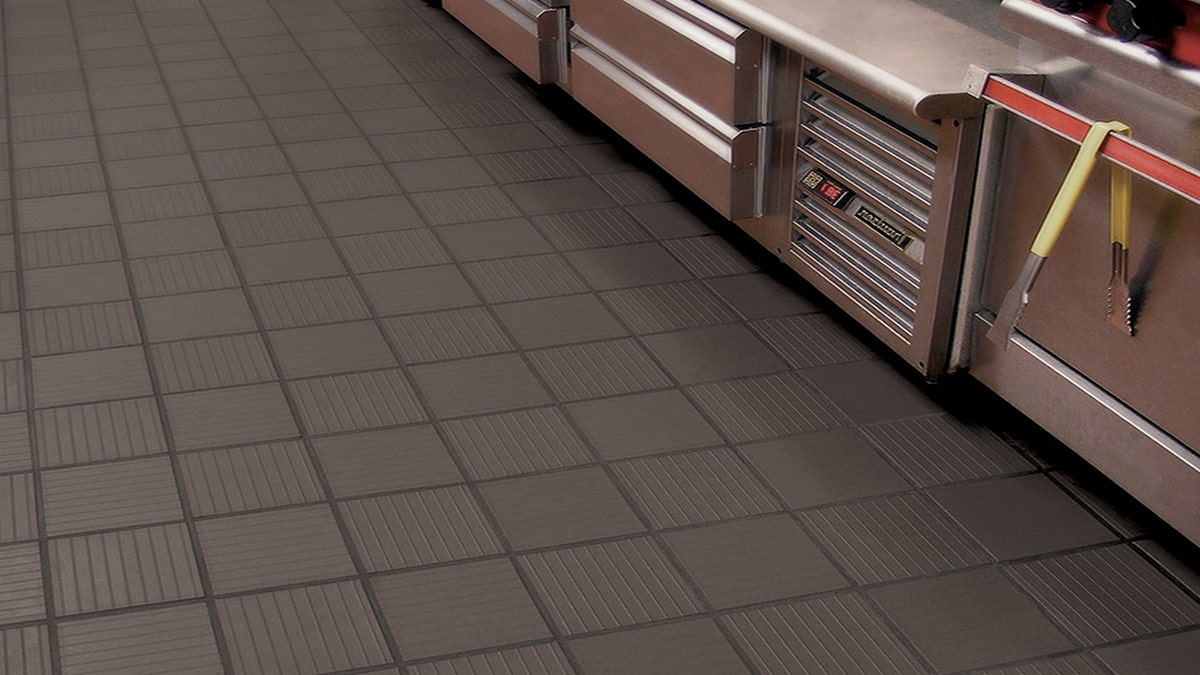
In the fast-paced restaurant industry, design is more than just style — it’s about efficiency, cleanliness, and lasting performance. Every detail, from the kitchen floor to the dining area wall, contributes to the overall experience. One innovation that has become indispensable in modern hospitality is Stain-Resistant Tiles.
Unlike traditional flooring that absorbs spills and grease, these tiles are engineered to resist stains, odors, and discoloration — keeping restaurant spaces looking pristine even under heavy traffic and daily cleaning routines. Whether used in the kitchen, bar area, or restroom, Stain-Resistant Tiles combine durability with aesthetics, offering long-term savings and hygiene advantages that every restaurant owner appreciates.
Why Stain-Resistant Tiles Are Essential in Restaurants?
Running a restaurant means constant exposure to food spills, sauces, oils, and cleaning chemicals. These substances can easily penetrate porous materials, leading to permanent stains and unhygienic surfaces. Stain-Resistant Tiles solve this issue through advanced manufacturing techniques that make their surface non-porous and highly durable.
Here’s why they’re indispensable:
-
Easy Maintenance: A quick mop or wipe restores the shine without scrubbing or harsh chemicals.
-
Long-Term Durability: The dense surface resists chips and discoloration from frequent cleaning.
-
Enhanced Hygiene: Non-porous surfaces prevent bacteria and mold buildup — critical for food environments.
-
Cost Efficiency: Reduced need for deep cleaning or replacements means lower operational costs.
Restaurants are demanding environments. With foot traffic, spills, and daily sanitation cycles, choosing Stain-Resistant Tiles ensures your flooring remains as vibrant and clean as the day it was installed.
The Science Behind Stain-Resistant Tiles
The secret lies in the tile’s composition. Stain-Resistant Tiles are typically made from porcelain or glazed ceramics that undergo high-temperature firing. This process fuses the materials tightly, leaving no room for liquids or dirt to seep in. Some tiles even feature nanotechnology coatings that repel oil and organic matter.
This technology has evolved from centuries of ceramic craftsmanship. For example, traditional artisans once experimented with glaze chemistry to achieve waterproof finishes — a process similar to the innovation behind What Is Majolica Tile, which introduced decorative yet protective layers to early ceramics.
Today, those same principles are applied using modern methods, giving us tiles that not only look beautiful but also perform under extreme commercial conditions.
Applications Throughout the Restaurant
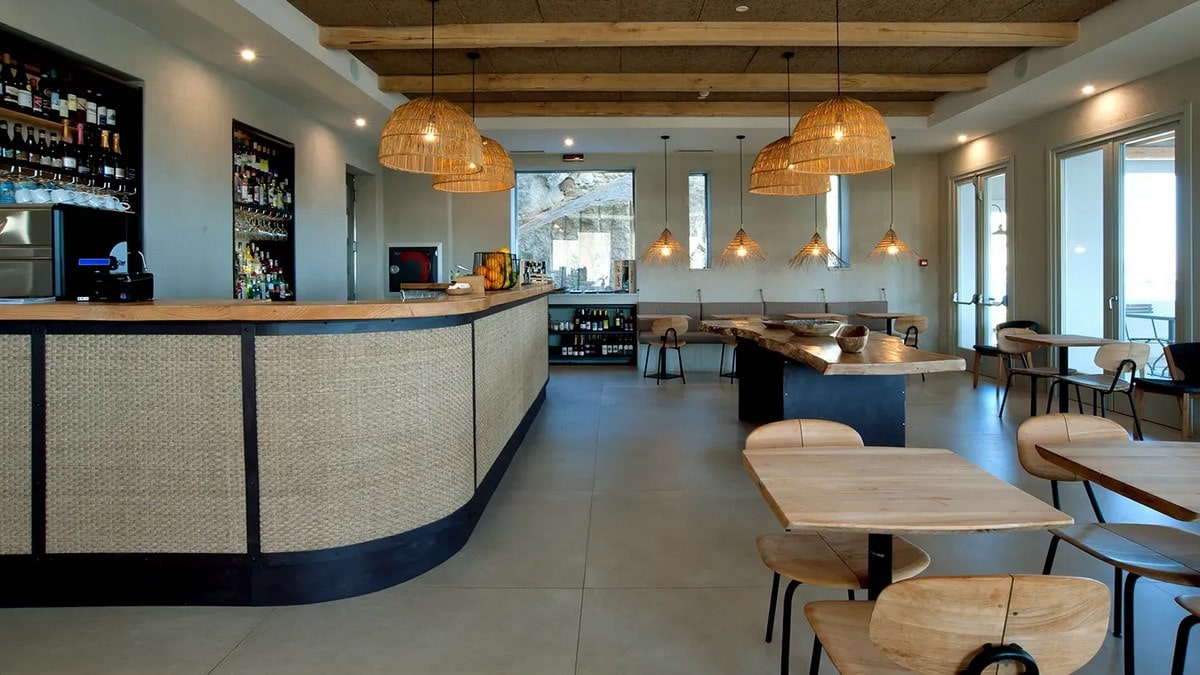
One of the main advantages of Stain-Resistant Tiles is their versatility. They’re suitable for every area within a restaurant:
-
Commercial Kitchens: Resistant to oil, sauce, and cleaning agents.
-
Dining Areas: Stylish patterns mimic natural stone or wood while staying easy to clean.
-
Bars and Cafés: Perfect for areas exposed to liquids and foot traffic.
-
Restrooms: Moisture and odor resistant, providing a clean and fresh look.
-
Outdoor Patios: Weather-proof versions withstand sunlight, rain, and spills from beverages.
This flexibility allows designers to maintain a consistent aesthetic while meeting the hygiene standards required by health regulations. For restaurants that need to balance beauty with practicality, Stain-Resistant Tiles offer the best of both worlds.
Aesthetic Versatility: Beauty Beyond Function
Modern Stain-Resistant Tiles come in countless designs, from minimalist neutrals to bold textures that replicate wood, marble, or concrete. This adaptability means restaurant owners don’t have to compromise between visual appeal and performance.
For example, a rustic bistro might opt for tiles that resemble timber planks. This naturally recalls the trend we see in What Is Wood Effect Porcelain Tiles, where modern printing technology creates lifelike wood patterns on durable porcelain — perfect for warm, inviting dining spaces that still need commercial-grade resilience.
Whether your restaurant’s style is industrial, contemporary, or classic, there’s a stain-resistant design to complement it beautifully.
Durability and Safety: Built to Withstand Heavy Use
Restaurants demand flooring that can take a beating — from heavy foot traffic and moving furniture to dropped utensils and constant cleaning. Stain-Resistant Tiles are designed with these challenges in mind. Their high-density structure ensures impact resistance, and their slip-resistant textures add safety for staff and guests alike.
In addition, the tiles are fire-resistant, a valuable feature in commercial kitchens where safety is paramount. And unlike vinyl or wooden flooring, they don’t warp or discolor under heat or moisture.
For areas constantly exposed to water and cleaning agents, pairing stain resistance with the best moisture-resistant tiles ensures comprehensive protection and longevity.
Hygiene: The Invisible Advantage
Beyond their visible shine, Stain-Resistant Tiles contribute significantly to hygiene — a non-negotiable factor in food service. Their smooth, sealed surface leaves no room for germs or mold to thrive. When spills occur, a quick wipe is enough to eliminate residues and prevent bacterial buildup.
Health inspectors often recommend tiles in kitchens and food prep areas for this reason. They’re non-absorbent, easy to sanitize, and compatible with disinfectants. Choosing Stain-Resistant Tiles ensures compliance with strict health codes while maintaining a polished, professional look.
Comparing to Other Materials
While some restaurants use hardwood or natural stone, these materials come with high maintenance and staining risks. Wood absorbs liquids, while unsealed stone can discolor permanently. Vinyl may resist stains initially but tends to degrade over time under heavy use.
Stain-Resistant Tiles, on the other hand, maintain their integrity and beauty for years with minimal effort. They resist not only stains but also scratches, heat, and moisture — making them the ultimate all-round flooring solution for hospitality environments.
If you’ve ever faced issues like Cracking Bathroom Tiles in older installations, you’ll appreciate how modern porcelain formulations are engineered to prevent such problems, ensuring longevity even in high-stress areas.
Cost-Effectiveness and Long-Term Value
While the initial cost of Stain-Resistant Tiles may be slightly higher than cheaper alternatives, the long-term return on investment is undeniable. Their durability reduces the frequency of replacement, while low maintenance saves labor costs.
Restaurants can operate more efficiently without worrying about constant cleaning or costly refurbishments. Moreover, the timeless look of these tiles ensures they won’t fall out of style, further extending their value over the years.
Sustainabilitیy and Eco-Friendly Manufacturing
Sustainability is increasingly shaping design decisions in commercial spaces. Many manufacturers of Stain-Resistant Tiles now use recycled materials and energy-efficient kilns. Porcelain tiles, in particular, are environmentally responsible because they last decades without replacement, minimizing waste.
Additionally, their reflective surfaces can help improve indoor lighting efficiency, reducing energy consumption. Choosing such durable materials contributes to a greener, more sustainable hospitality industry.
Installation and Maintenance Tips
To maximize performance, proper installation is essential. Professionals recommend leveling the subfloor, using high-quality adhesives, and allowing sufficient curing time. Once installed, maintenance is straightforward:
-
Sweep or vacuum daily to remove dirt and debris.
-
Use mild detergents for cleaning.
-
Avoid waxes or harsh abrasives.
-
Reseal grout periodically to prevent discoloration.
When maintained properly, Stain-Resistant Tiles can last over 20 years — a testament to their quality and practicality.
Design Inspiration: Creating Cohesive Restaurant Spaces
Interior designers increasingly use Stain-Resistant Tiles as both flooring and wall cladding to create cohesive, seamless interiors. For instance:
-
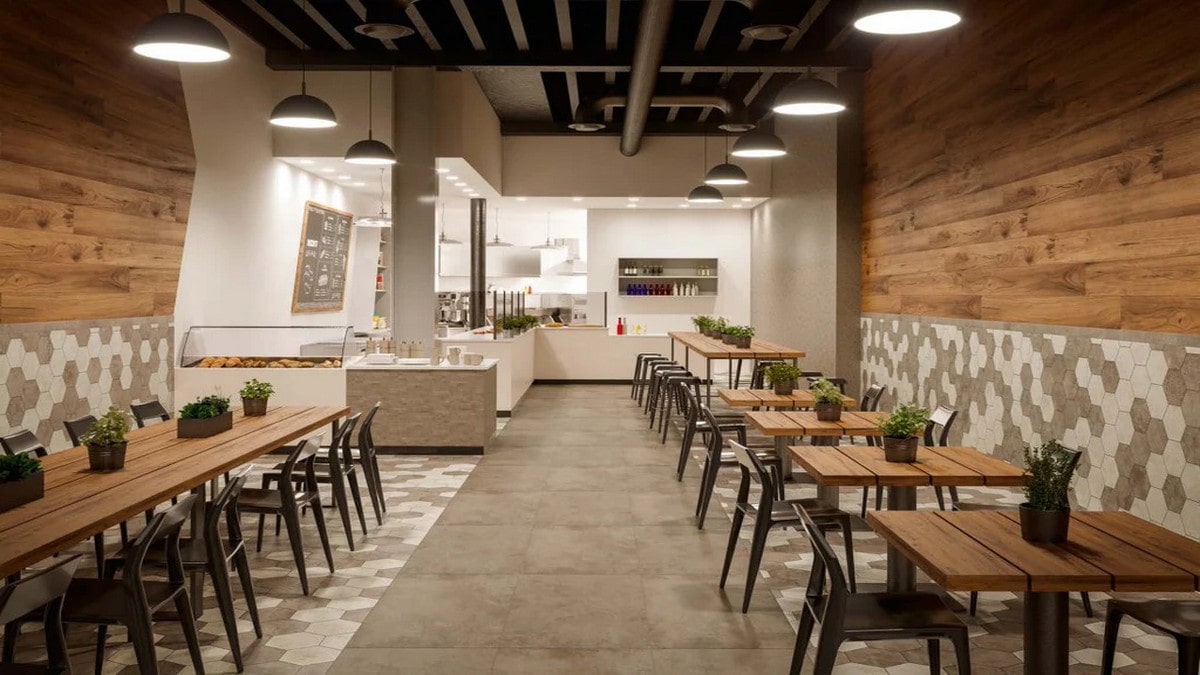
A café may combine patterned tiles on the wall with plain neutral floors for visual balance.
-
Fine-dining establishments might opt for large-format tiles with subtle veining for sophistication.
-
Casual eateries often embrace vibrant geometric tiles for energy and personality.
The design flexibility of Stain-Resistant Tiles allows restaurant owners to express their brand identity while maintaining a hygienic and low-maintenance environment.
Future Trends in Commercial Tile Design
The future of restaurant interiors will continue to prioritize cleanliness, sustainability, and authenticity. Expect to see innovations in stain-resistant technology, such as self-cleaning coatings or antibacterial surfaces.
This evolution echoes the same creative spirit seen in centuries-old tile making, where artisans sought beauty and performance in equal measure. From hand-painted majolica to advanced porcelain finishes, the story of tiles has always been one of adaptation and artistry — and Stain-Resistant Tiles are the latest chapter in that ongoing narrative.
Conclusion
In the competitive restaurant industry, where first impressions and cleanliness matter, Stain-Resistant Tiles stand out as a practical and aesthetic solution. They provide exceptional durability, easy maintenance, and design flexibility, all while promoting hygiene and sustainability.
From kitchens to dining rooms, they enhance every space with long-lasting elegance. Investing in Stain-Resistant Tiles means investing in efficiency, safety, and the lasting appeal of your restaurant — a decision that pays off with every satisfied guest and spotless surface.