
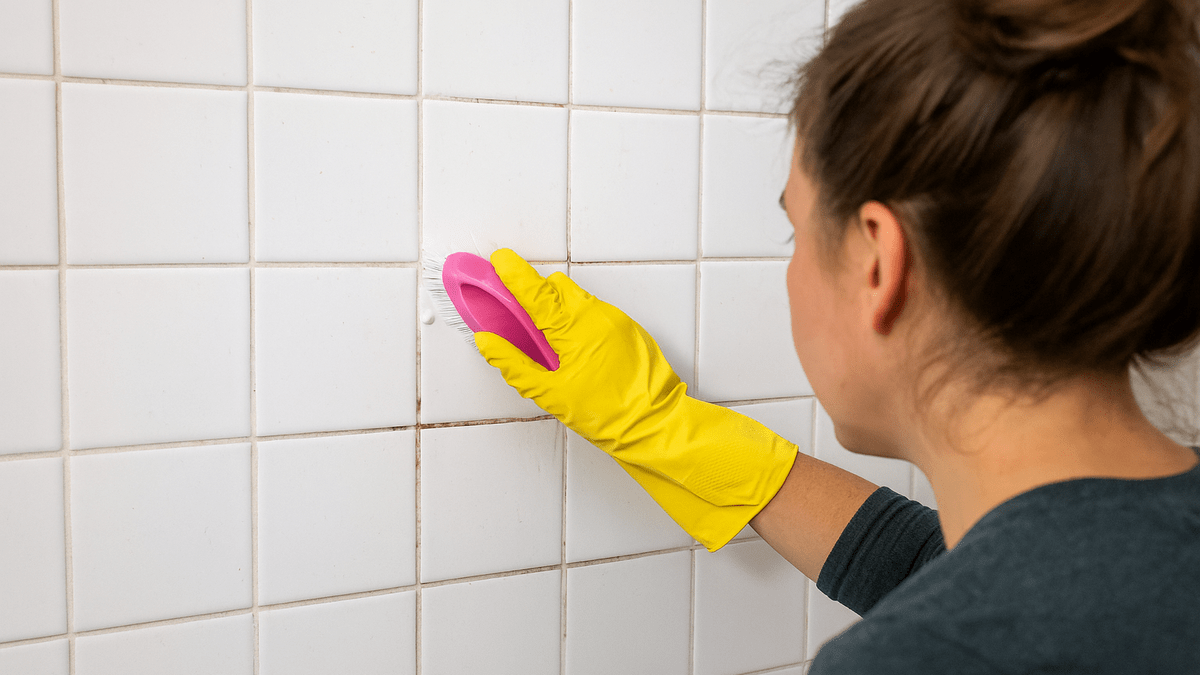
Learning How to clean bathroom tiles the best way is one of the most useful home-maintenance skills you can develop. Bathroom tiles seem durable and simple to maintain, yet they can harbor stubborn soap scum, grime, hard-water deposits, and mold. Over time, these layers of buildup dull the tile surface and make even a freshly cleaned bathroom look aged. Whether your bathroom features porcelain, ceramic, stone, matte finishes, or glossy surfaces, the right cleaning method can dramatically improve its overall appearance. Many homeowners even explore broader tile-related topics such as What Are Large Format Chinese Slabs, since understanding various materials helps them choose smarter cleaning strategies. But regardless of material, every tile requires a specific approach to maintain its shine and lifespan. This article provides a highly practical, research-driven, and experience-based guide on How to clean bathroom tiles from start to finish.
Understanding Why Bathroom Tiles Get Dirty
The first step in mastering How to clean bathroom tiles is understanding why they accumulate dirt so rapidly. Bathrooms naturally contain high humidity, constant moisture, soap residue, personal-care oils, and mineral-heavy water. This environment makes tiles—especially grout—prone to mold and discoloration. Soap scum forms when minerals interact with fats in soaps, creating a filmy layer on tile surfaces. Hard-water deposits appear as chalky white marks that are especially common inside showers. If your bathroom uses design elements like Scandinavian Style Tiles, which rely on brightness and simplicity, any minor buildup becomes visibly distracting. That’s why consistent cleaning is crucial not only for hygiene but also for preserving the visual harmony of your space.
Choosing the Right Tools and Cleaners
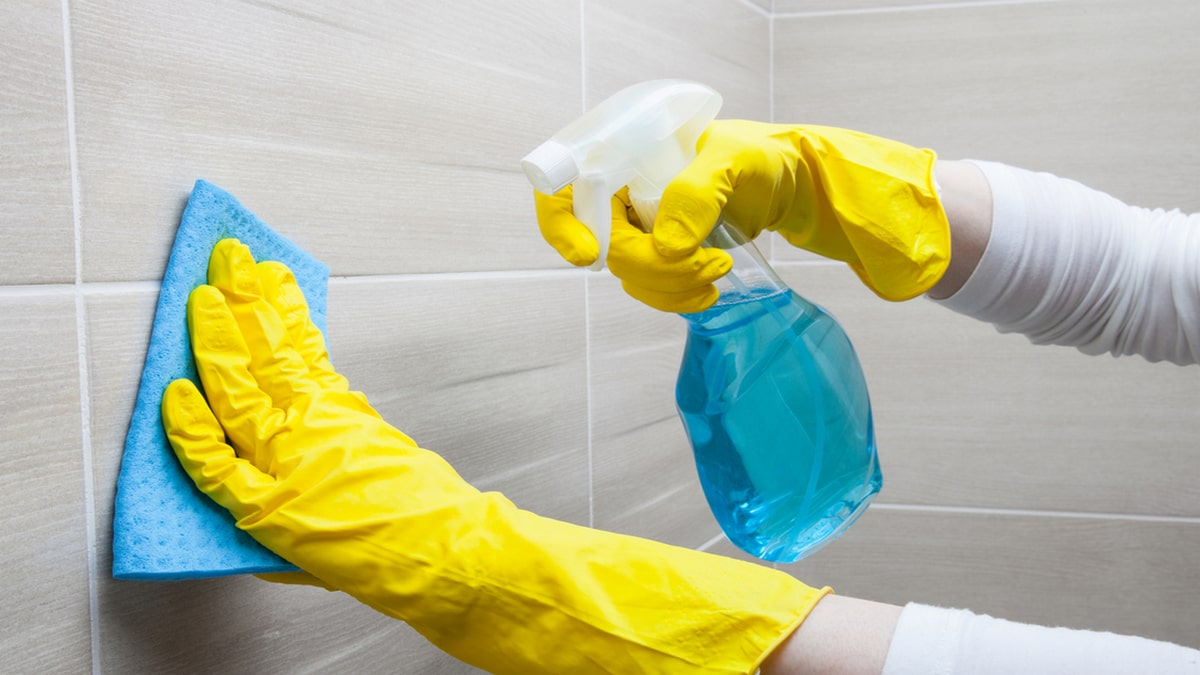
Many people searching How to clean bathroom tiles assume that abrasive pads or heavy-duty chemicals are necessary, but these can cause long-term damage. The right tools include microfiber cloths, non-abrasive sponges, soft scrub brushes, rubber squeegees, and grout-specific brushes. A neutral pH cleaner or a mild homemade mix of warm water, dish soap, and baking soda is often enough for regular maintenance. Avoid metal brushes that scratch tile glaze and ruin finishes. Always test new cleaning mixtures on a hidden spot first. For floors, sweeping or vacuuming before scrubbing prevents dirt from turning into mud-like streaks.
How to Remove Soap Scum and Body-Oil Film
One of the most common challenges in How to clean bathroom tiles is removing soap scum. Soap scum sticks to tiles due to reactions between soap ingredients and minerals in water. To remove it efficiently, mix baking soda and warm water into a paste and apply it with a microfiber cloth. Let it sit for 10 minutes, then scrub gently in circular motions. For extremely stubborn scum, use a diluted alkaline cleaner designed for tile-safe use. Rinse thoroughly afterward, because leftover soap residues can attract dirt and make the surface look cloudy again. Using liquid body wash instead of bar soap significantly reduces future buildup.
How to Clean Hard-Water Stains and Mineral Deposits
Hard water leaves mineral deposits that require a different approach. Many guides on How to clean bathroom tiles recommend vinegar, and while vinegar is highly effective on ceramic or porcelain, it should never be used on natural stone tiles because acid can etch the surface. For vinegar-safe tiles, mix equal parts vinegar and warm water in a spray bottle. Spray the solution, wait 10 minutes, then scrub with a non-abrasive pad. If mineral buildup is thick, repeat the process. For stone surfaces, use a stone-safe descaler or a product specifically labeled for calcification removal. Rinsing with hot water afterward ensures no residue remains.
Deep Cleaning Grout Lines
Most homeowners realize during their search for How to clean bathroom tiles that grout, not tile, is the biggest challenge in maintaining a spotless bathroom. Grout is porous, meaning it absorbs water, soap, oils, and even bacteria. To clean grout effectively, mix hydrogen peroxide with baking soda to create a foamy, tile-safe whitening paste. Apply it to grout lines and scrub with a toothbrush or grout brush. Let it sit for 5–10 minutes before rinsing. For deep mold or longstanding stains, a steam cleaner is incredibly helpful because it penetrates the pores and lifts grime without chemicals. After cleaning, sealing grout is essential—it prevents moisture absorption and keeps grout looking brighter for months.
Tips for Cleaning Different Tile Materials
Knowing How to clean bathroom tiles properly means adapting your cleaning process to the tile type. Ceramic and porcelain are the easiest to maintain because they resist stains and scratches. Natural stone such as marble, slate, or travertine requires pH-neutral cleaners. Matte tiles need gentle treatment because their texture can trap grime. Some modern surfaces, like Stain-Resistant Tiles, require far less maintenance but still benefit from weekly wipe-downs to preserve their coating. Always check manufacturer guidelines before using strong chemicals or steam tools.
Daily and Weekly Tile Maintenance Habits
One of the best lessons in How to clean bathroom tiles is that prevention is more efficient than scrubbing. Using a squeegee on shower walls after each use reduces water spots and soap scum. Opening a window or turning on the exhaust fan reduces humidity, preventing mold. A weekly wipe-down with warm water and mild soap keeps tiles fresh. If your bathroom features décor inspired by classic homes, such as those with traditional tiles, these maintenance habits help preserve both the functional and decorative aspects of the space. For floors, regularly sweeping before mopping prevents dirt particles from scratching the surface or sticking to wet tiles.
Dealing with Mold and Mildew on Tiles
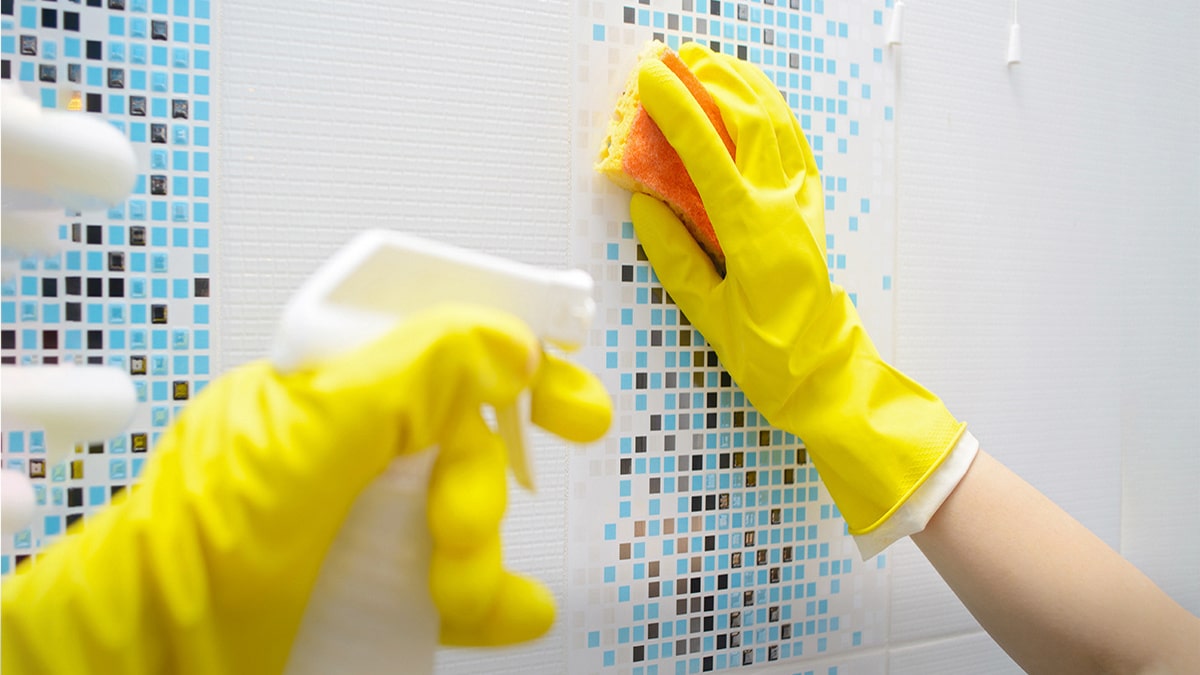
Mold is a major reason homeowners search for How to clean bathroom tiles effectively. Mold thrives in warm, damp environments, especially in corners and grout lines. A solution of water and a small amount of bleach can eliminate mold, but it should be used sparingly to avoid weakening grout. Alternatively, oxygen-based cleaners offer a safer option. Scrubbing with a grout brush and improving ventilation remain the most effective long-term solutions. After mold removal, thoroughly drying the area and applying grout sealer help prevent recurrence.
Avoiding Common Mistakes in Tile Cleaning
Many tile-cleaning mistakes come from misinformation. People researching How to clean bathroom tiles often mistakenly mix chemicals like bleach and ammonia, which is extremely dangerous. Others use abrasive brushes that scratch tile surfaces irreversibly. Using soap-based detergents regularly can leave residue instead of cleaning effectively. Ignoring ventilation during and after cleaning allows moisture to settle and create the perfect environment for mold. Another mistake is over-wetting the floor while mopping; standing water can discolor grout and damage certain tile materials.
Long-Term Tile Care and Protection
Learning How to clean bathroom tiles correctly also includes long-term strategies for maintaining beauty and durability. Reapply grout sealer every 6–12 months. Replace damaged or mold-infested grout promptly. Polish porcelain tiles occasionally with a tile-safe polish to bring back shine. Clean fixtures, shower glass, and drains as well—dirty surroundings can make clean tiles appear dull. Using water softeners can reduce mineral deposits significantly. Small habits such as wiping surfaces regularly, switching to liquid soap, and using bath mats contribute to a visibly cleaner bathroom daily.
Conclusion
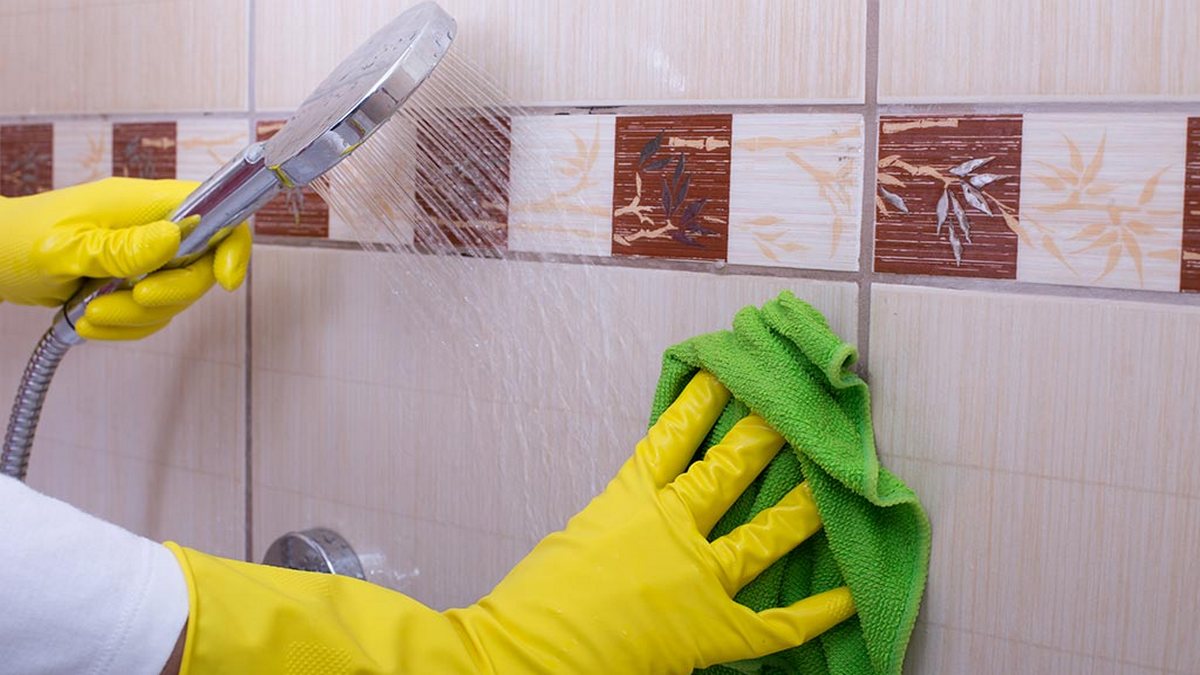
Understanding How to clean bathroom tiles the best way involves a combination of the right tools, effective cleaners, and preventive habits. Tiles last for decades when cared for properly, and consistent maintenance keeps your bathroom looking bright, hygienic, and welcoming. Whether you have modern porcelain, matte surfaces, natural stone, or decorative installations, tailoring your cleaning method to the material ensures superior results. By adopting the practical strategies outlined in this guide, you can maintain spotless tiles, protect your investment, and enjoy a bathroom that always feels fresh and clean.