
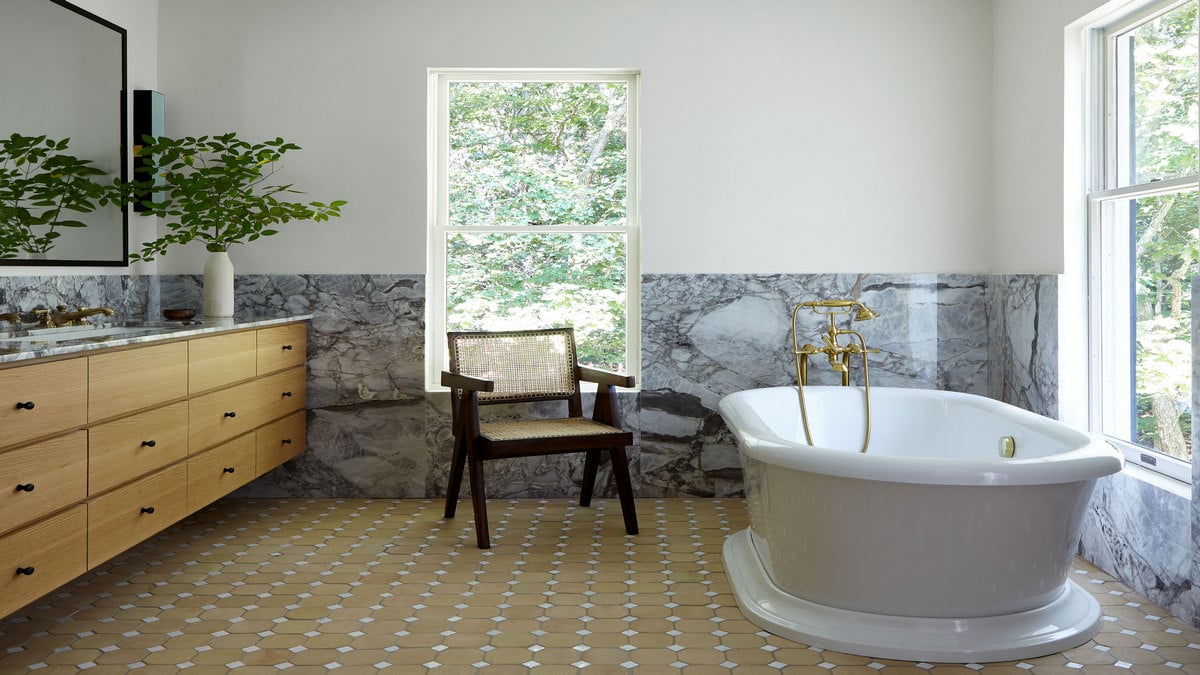
Choosing the right tile height is one of the most underestimated steps in designing or renovating a home. Whether you are updating a bathroom, refreshing a laundry room, or modernizing a kitchen splashback, the question of Half Wall vs Floor to Ceiling Tiling often arises. While both approaches offer unique advantages, knowing exactly when to stop and when to keep going can dramatically influence aesthetics, maintenance, property value, and even the overall functionality of the space.
But tile installation is not simply about how high the tiles should go. It’s about how the space will be used, how much moisture it will face, how much light it receives, the style you want to achieve, and even how easy you want ongoing cleaning to be. During your design process, you may also encounter different tile types, textured surfaces, and materials—from ceramic to porcelain to trendy options like What Are Large Format Chinese Slabs, which are becoming increasingly popular in luxury interior design.
This guide will help you understand everything you need to know about Half Wall vs Floor to Ceiling Tiling, with practical examples, expert insights, and real-world comparison points to help you choose the perfect tile height for each room in your home.
Why Tile Height Matters More Than You Think
Before analyzing Half Wall vs Floor to Ceiling Tiling, it’s essential to understand why tile height impacts more than just appearance.
Tile height affects:
- Moisture protection
- Ease of cleaning and maintenance
- Visual proportions of the room
- Budget and installation time
- Longevity and durability of surfaces
- Lighting and brightness
- Resale value of the property
A well-thought-out tile height can make even the smallest room feel balanced and elegant. On the other hand, a poorly chosen height can break visual harmony or create a dated look—for example, mismatched tile heights combined with Scandinavian Style Tiles can disrupt the minimalist aesthetic those tiles are known for.
Understanding Half Wall Tiling
Half Wall Tiling typically refers to tiling up to 90–120 cm from the floor, although it may extend slightly higher in some modern designs.
Advantages of Half Wall Tiling
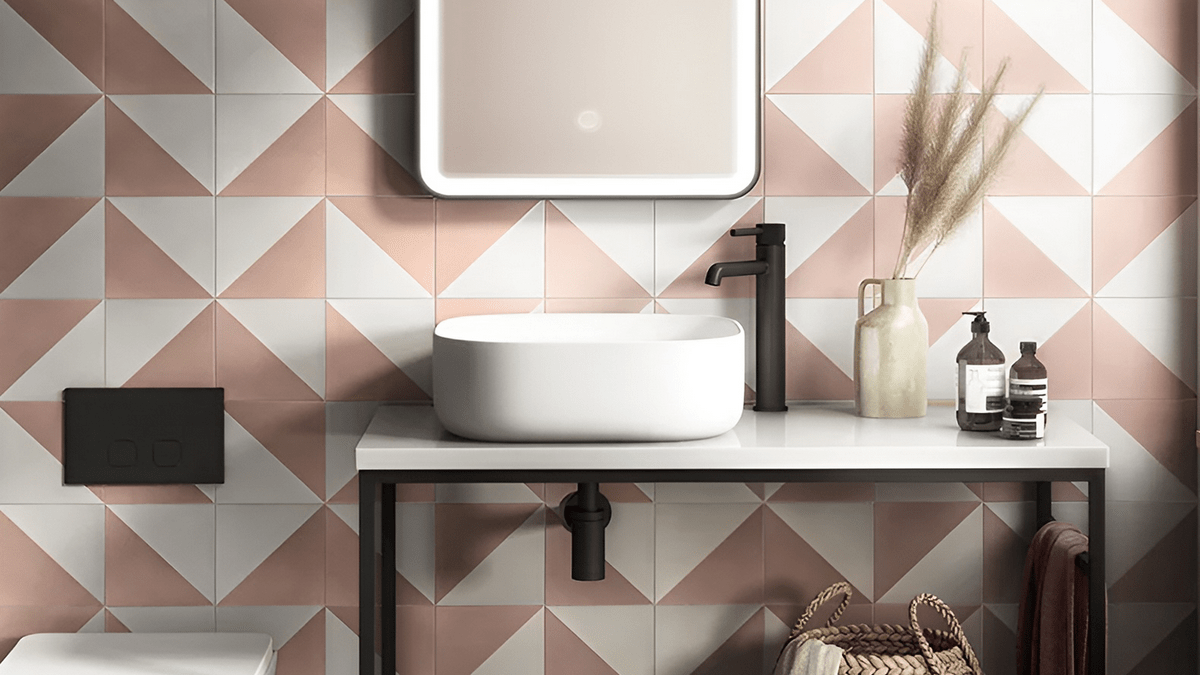
Cost-Effective
Half wall tiling uses fewer tiles, requires less labor, and reduces installation time.
Design Flexibility
The combination of tiles on the lower section and paint on the upper wall allows you to:
- Change wall colors frequently
- Introduce wallpapers
- Add paneling accents
Warm and Homey Aesthetic
This style blends well with:
- Traditional décor
- Farmhouse interiors
- Vintage tile patterns
It also pairs nicely with traditional tiles, especially in kitchens and hallways where a softer, more classic look is preferred.
Best Rooms for Half Wall Tiling
Half wall tiling works especially well in areas with minimal moisture or partial water exposure.
Recommended spaces:
- Toilets and powder rooms
- Low-moisture bathrooms
- Mudrooms
- Entryways
- Hallways
- Kitchens
In these areas, the tile height serves as a protective barrier for high-contact or splash-prone sections while keeping the overall cost manageable.
Understanding Floor to Ceiling Tiling
Floor to Ceiling Tiling, also known as full-height tiling, covers every vertical inch of the wall. This approach is commonly seen in high-end homes, luxury bathrooms, and modern architectural designs.
Advantages of Floor to Ceiling Tiling
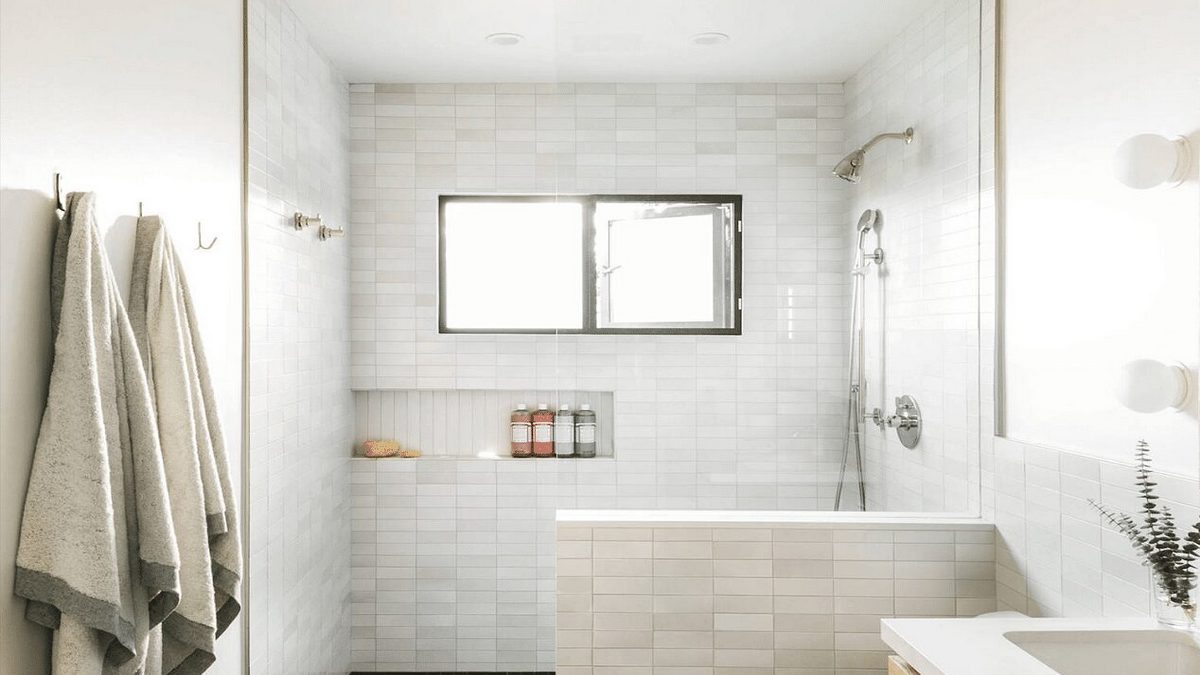
Superior Moisture Protection
This is ideal for wet areas, especially shower zones, laundries, and high-humidity bathrooms.
Easier Long-Term Maintenance
Full wall tiles allow effortless cleaning, especially when combined with surfaces such as Stain-Resistant Tiles, which significantly reduce soap scum, mineral buildup, and discoloration.
A Luxurious and Contemporary Look
Creates a seamless, spacious appearance that enhances:
- Brightness
- Clean lines
- Architectural simplicity
- High-end appeal
Increases Property Value
Buyers often associate full-height tiling with premium craftsmanship.
Best Rooms for Floor to Ceiling Tiling
Full-height tiling is ideal in the following spaces:
- Showers and wet zones
- Main bathrooms
- Ensuites
- Laundry rooms
- High-moisture environments
It’s also perfect for minimalist or modern interior themes where uninterrupted surfaces create visual harmony.
Half Wall vs Floor to Ceiling Tiling: A Direct Comparison
| Feature | Half Wall Tiling | Floor to Ceiling Tiling |
|---|---|---|
| Cost | Low to moderate | Higher |
| Maintenance | Moderate | Very easy |
| Moisture Protection | Limited | Excellent |
| Aesthetic Style | Warm & classic | Modern & luxurious |
| Best For | Low-moisture spaces | High-moisture areas |
| Design Flexibility | High | Limited |
| Cleaning Difficulty | More upper-wall cleaning | Mostly wipe-and-go |
To help further clarify the decision, let’s explore both options through the lens of Half Wall vs Floor to Ceiling Tiling, guiding you toward the right choice depending on usage, style, and practicality.
How to Choose the Perfect Tile Height for Your Home
Selecting the best approach between Half Wall vs Floor to Ceiling Tiling depends on several key factors. Evaluating these will help you avoid costly mistakes in style and functionality.
1. Consider Moisture Exposure
This is the most important factor.
High moisture = Full-height tiling
Examples:
- Bathroom showers
- Steam-heavy environments
- Laundry splashback zones
Low moisture = Half-height tiling
Examples:
- Powder rooms
- Hallways
- Decorative walls
2. Evaluate Your Budget
Tile quantity, installation time, and grout usage differ significantly between Half Wall vs Floor to Ceiling Tiling.
If your budget is tight:
- Choose half wall tiling
- Invest in higher-quality materials only where needed
If you’re after a long-term investment:
- Full-height tiling offers better durability and maintenance savings over time
3. Think About Cleaning and Maintenance
If easy cleaning is a priority, that may influence your choice.
Full-height tiles are easier to clean, especially when you consider that guides such as How to clean bathroom tiles highlight how constant maintenance is necessary in wet areas. Reducing the amount of painted wall surface significantly cuts cleaning time.
4. Match It With Your Interior Style
Consider the overall theme of your home:
Modern + minimalist homes:
Full-height tiling works better, creating clean lines and reflective surfaces.
Classic, heritage, or farmhouse homes:
Half wall tiling brings charm and balance.
5. Consider Ceiling Height and Room Size
Tile height affects how large or small a room feels.
In small rooms:
- Full-height tiling expands the space visually
- Reflects more light
In large rooms:
- Half wall tiles add warmth and break up visual monotony
Popular Design Approaches Using Both Techniques
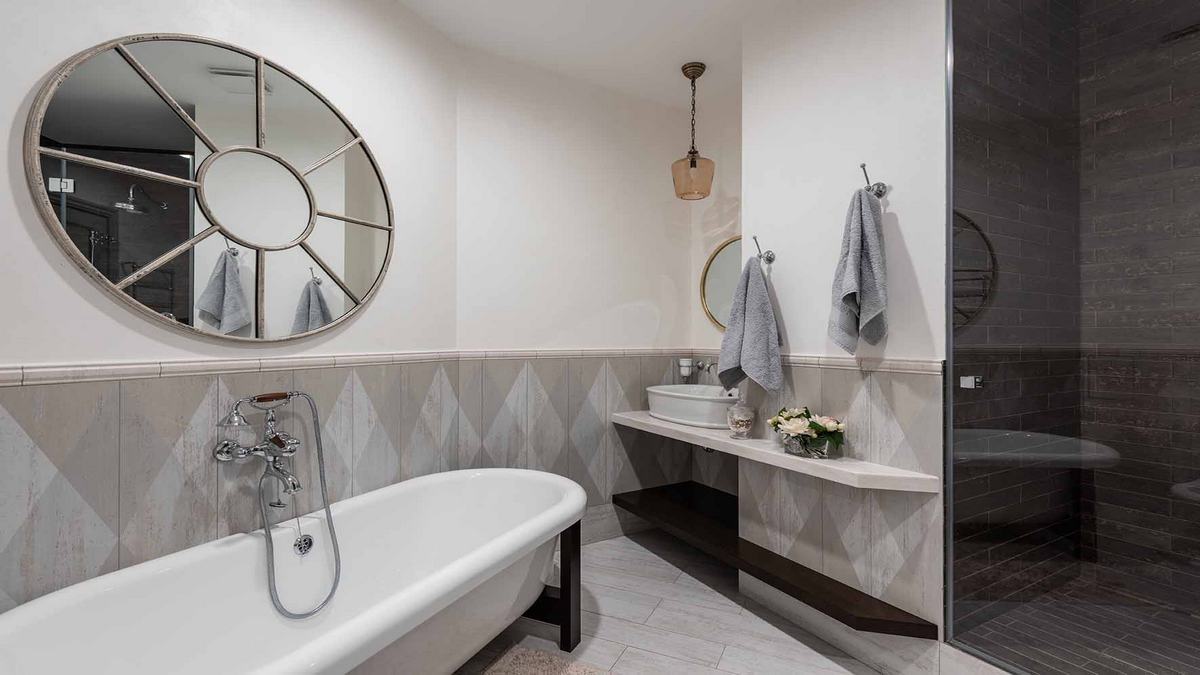
1. Half Wall Tiling with Accent Borders
A thin decorative trim can transition elegantly into a painted upper wall.
2. Floor to Ceiling Tiling in the Shower, Half Wall in the Rest of the Bathroom
This hybrid approach balances cost, protection, and style.
3. Feature Walls with Full-Height Tiles
Used behind vanities, baths, or kitchen cooktops for dramatic effect.
Mistakes to Avoid
- Stopping tile height at awkward transitions
- Choosing tile heights that clash with fixtures
- Poor lighting planning
- Ignoring long-term cleaning needs
- Mixing too many tile patterns
Even luxury materials like Scandinavian Style Tiles can look mismatched if tile heights are poorly executed.
Pro Tips from Tile Specialists
- Choose grout colors carefully
- Always plan tile layout BEFORE buying tiles
- Use moisture-resistant paint above half wall tiling
- Consider furniture height, mirrors, and vanities
- Use larger tiles in small spaces
And for premium, spacious looks, many designers now explore materials such as What Are Large Format Chinese Slabs, which reduce grout lines and offer a sleek modern feel.
Conclusion
Choosing between Half Wall vs Floor to Ceiling Tiling isn’t simply about deciding where your tiles should stop. It’s about creating harmony, protecting your surfaces, achieving the aesthetic you want, and designing a home that looks beautiful for years to come. While half wall tiling is flexible, cost-effective, and ideal for certain spaces, floor to ceiling tiling delivers unmatched durability, easier cleaning, and a high-end appearance.
The best choice depends on moisture levels, your budget, the size of your room, and the overall design theme of your home. With thoughtful planning—and a clear understanding of the strengths of each method—you can transform any room into a space that’s both practical and visually stunning.