
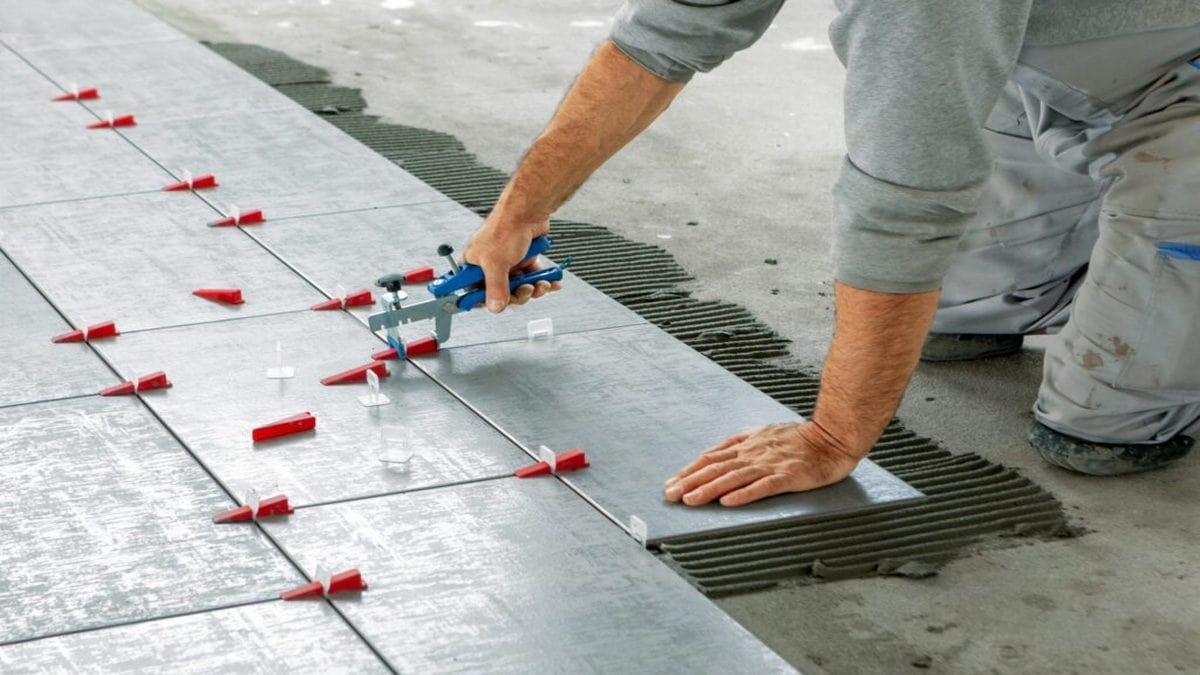
Tiling is one of the most impactful elements in any renovation, shaping both the visual appeal and functionality of a space. Making the wrong decisions can lead to wasted time, extra costs, and long-term frustrations. Smart Tiling is about planning carefully, choosing the right materials, and executing the installation precisely. It considers both aesthetics and practicality, ensuring that your surfaces are durable, easy to maintain, and visually appealing. Mistakes such as uneven tiles, poorly aligned grout lines, or incorrect material choice can be costly and difficult to fix.
Modern trends have introduced options like What Are Large Format Chinese Slabs, which create a seamless, expansive look but require careful handling and precise planning. Incorporating these into your renovation with a Smart Tiling approach can dramatically elevate the space while avoiding potential pitfalls.
Why Smart Tiling Matters
Tiling is more than decoration—it’s a long-term investment in your home. Improper planning or rushed installation can result in cracked tiles, water damage, or reduced property value. Smart Tiling focuses on foresight, precision, and understanding how materials interact with the space.
For example, moisture-prone areas like bathrooms or laundries demand waterproof membranes and suitable adhesives. Ignoring these considerations can result in mold growth or structural damage over time. Even aesthetically-focused choices, such as Scandinavian Style Tiles, require attention to alignment and pattern to achieve a sleek, minimalist finish. By following Smart Tiling principles, homeowners can ensure their investment is both functional and beautiful.
Common Renovation Mistakes
Many tiling mistakes occur due to inexperience or oversight. Being aware of these can save both money and effort.
Top Errors to Avoid
-
Skipping surface preparation: Uneven walls or floors compromise durability.
-
Neglecting waterproofing: Essential in bathrooms and kitchens.
-
Poor layout planning: Misaligned tiles or inconsistent grout lines are noticeable.
-
Incorrect adhesive choice: Tile type and size dictate the adhesive needed.
-
Overcomplicating patterns: Too many colors or textures overwhelm the room.
Tip: Applying Smart Tiling strategies from the beginning prevents these common errors and ensures a professional result.
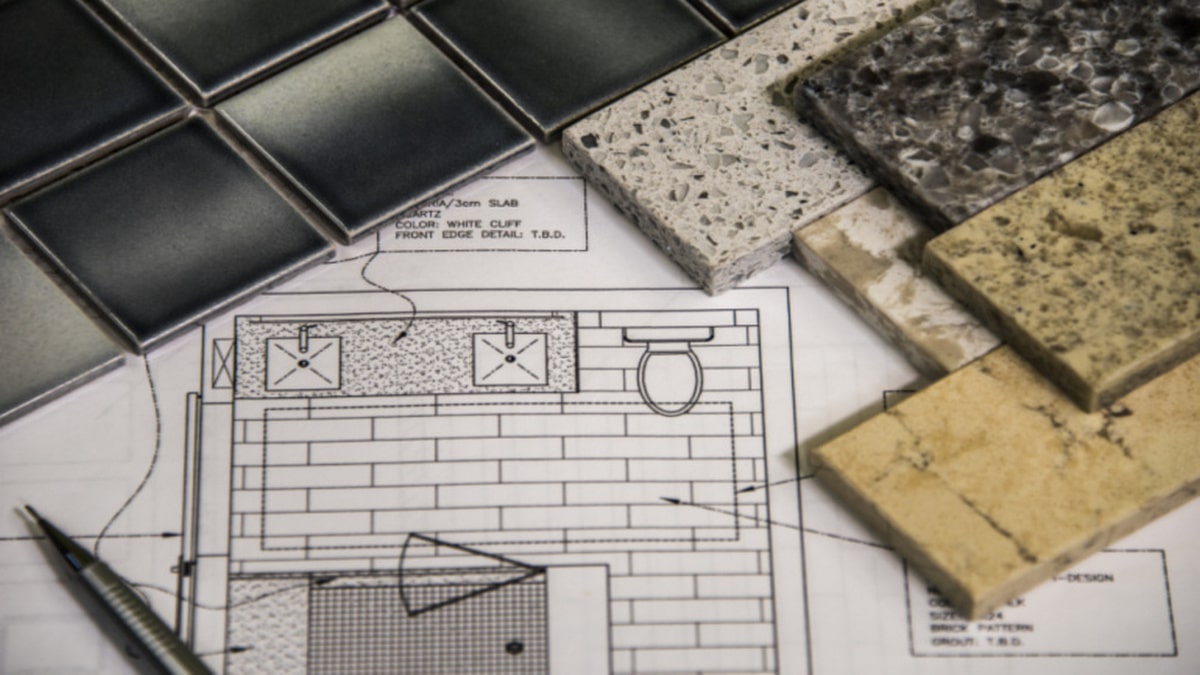
Planning Your Tile Layout
Effective Smart Tiling begins with thorough planning.
-
Measure your walls and floors accurately.
-
Visualize how tiles interact with lighting, furniture, and fixtures.
-
Plan symmetry, focal points, and transitions.
-
Consider grout spacing and orientation—horizontal tiles can widen a space, while vertical tiles can make ceilings feel taller.
Example: Large tiles like What Are Large Format Chinese Slabs can create a high-end, seamless look, but only if the layout accounts for cuts, joints, and room dimensions.
Selecting the Right Tiles
Choosing the appropriate tiles is central to Smart Tiling. Consider:
-
Tile size: Large tiles open up spaces; small tiles allow intricate patterns.
-
Material: Porcelain, ceramic, or stone each has specific durability and maintenance needs.
-
Functionality: High-traffic areas need durable surfaces; wet areas need moisture-resistant tiles.
-
Maintenance: Tiles like Stain-Resistant Tiles reduce cleaning effort and maintain appearance over time.
Even stylish options require practical consideration. For instance, Scandinavian Style Tiles are visually striking but must be installed precisely to maintain a minimalist aesthetic. Smart Tiling balances these visual and functional priorities.
Installation Best Practices
Installation quality defines the long-term success of your tiling.
-
Prepare surfaces: Walls and floors must be clean, level, and primed.
-
Use correct adhesive: Different tile types and sizes require specific adhesives.
-
Consistent placement: Spacers maintain uniform grout lines.
-
Cutting: Measure carefully before trimming tiles to fit edges or corners.
-
Grout and seal: Proper grouting and sealing prevent moisture damage and enhance durability.
Even with high-quality tiles, improper installation can lead to uneven surfaces, cracking, or misalignment. Professional guidance or following proven DIY techniques ensures a flawless result.
Maintenance and Longevity
Proper care extends the life of your tiles, a key principle of Smart Tiling.
-
Regularly clean tiles using recommended products; harsh chemicals can damage finishes.
-
Inspect grout lines and reseal as necessary to prevent water penetration.
-
Bathrooms and kitchens benefit from following guides such as How to clean bathroom tiles to maintain appearance and hygiene.
Tip: Choosing tiles that are easy to maintain, like Stain-Resistant Tiles, reduces long-term effort while preserving their aesthetic appeal.
Design Tips for Smart Tiling
Aesthetic considerations are an integral part of Smart Tiling.
-
Tile orientation: Vertical alignment can enhance ceiling height; horizontal alignment can widen a room.
-
Mix textures carefully: Combine smooth and textured tiles to create depth.
-
Color scheme: Light colors reflect light, making spaces appear larger; darker tiles add drama.
-
Feature areas: Highlight with statement tiles, such as using Scandinavian Style Tiles in a backsplash for a clean, modern look.
Balancing practicality and design prevents renovations from feeling cluttered or mismatched.
Budgeting Smartly
Financial planning is essential in Smart Tiling.
-
Purchase tiles in advance to ensure availability.
-
Use premium tiles selectively while combining with standard options to manage cost.
-
Include labor, adhesives, grout, and sealing materials in your budget.
Strategic budgeting allows luxurious elements like What Are Large Format Chinese Slabs to be incorporated as feature tiles without overspending.

Avoiding Pitfalls
Even experienced renovators can encounter problems:
-
Uneven tiles, poor cuts, or inconsistent grout lines.
-
Neglecting waterproofing in high-moisture areas.
-
Overusing complex patterns that clash with the room’s size or lighting.
Smart Tiling emphasizes foresight and attention to detail. Consulting professionals, following installation guides, and adhering to best practices reduces costly mistakes.
Checklist for Smart Tiling
-
Measure areas and plan layout
-
Select tiles suitable for room use
-
Prepare and waterproof surfaces
-
Apply adhesive evenly
-
Maintain consistent grout spacing
-
Inspect installation thoroughly
-
Use Stain-Resistant Tiles where needed
-
Balance design and color
-
Follow cleaning practices like How to clean bathroom tiles
-
Seek professional advice if unsure
This checklist integrates design, installation, and maintenance to ensure success.
Conclusion
Achieving Smart Tiling is a combination of thoughtful planning, careful tile selection, precise installation, and ongoing maintenance. Avoiding common mistakes ensures durability, ease of cleaning, and a visually appealing result. Integrating design trends like Scandinavian Style Tiles or statement options such as What Are Large Format Chinese Slabs, along with practical surfaces like Stain-Resistant Tiles, maximizes both style and function. Regular maintenance guided by resources such as How to clean bathroom tiles prolongs tile life and preserves the investment in your home. By following Smart Tiling principles, you can transform any space into a stunning, long-lasting environment that stands the test of time.