Choosing tile may seem simple, but every decision you make impacts the aesthetics, durability, and long-term maintenance of your space. Among the most important comparisons is Rectified vs Non-Rectified Tiles, a topic that often confuses homeowners and renovators. These two tile categories differ not only in their manufacturing process but also in their appearance, installation complexity, and suitability for different home designs. Understanding these differences will help you select a tile that matches your style, your budget, and your practical needs.
This guide provides a complete breakdown of Rectified vs Non-Rectified Tiles, explaining how each tile type performs, what they look like, and when they are best used. Whether you’re planning a bathroom renovation, updating your kitchen splashback, or laying new floors throughout your home, this article will help you make an informed and confident decision.
What Are Rectified Tiles?
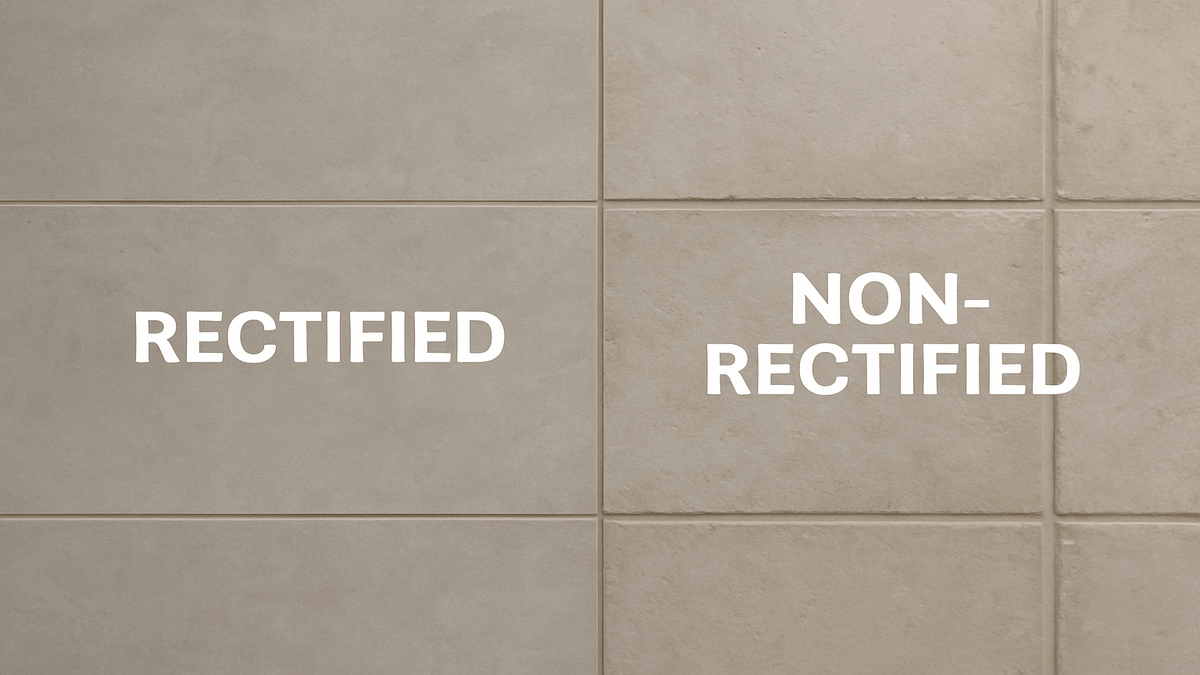
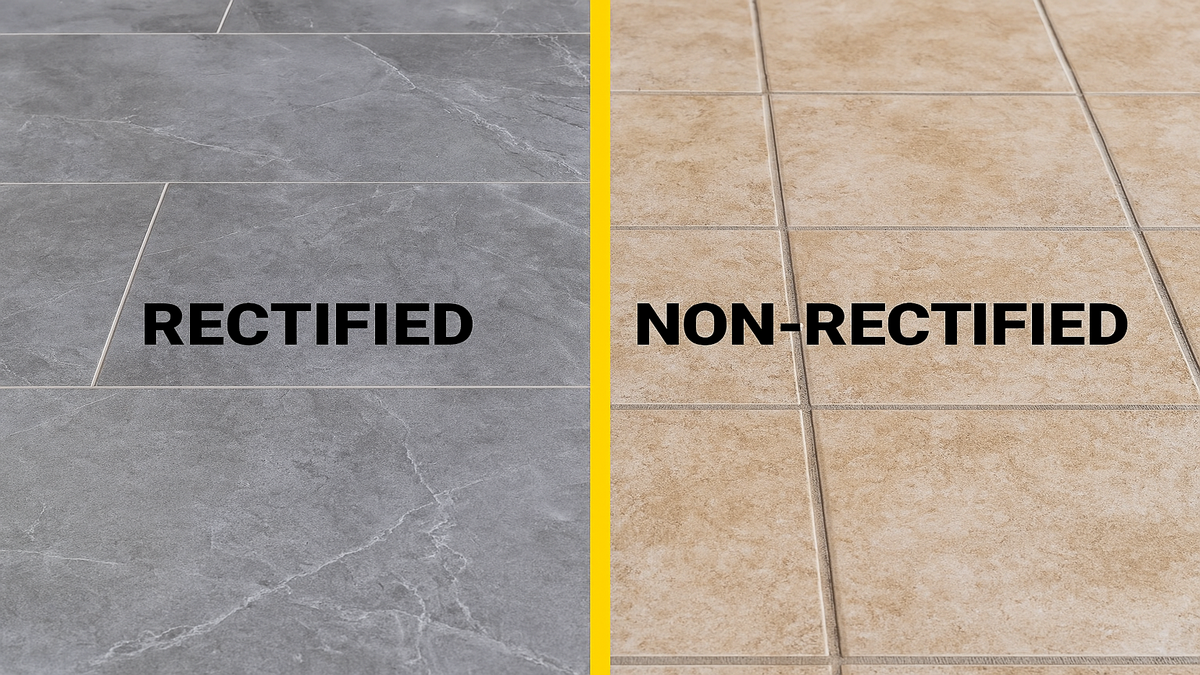
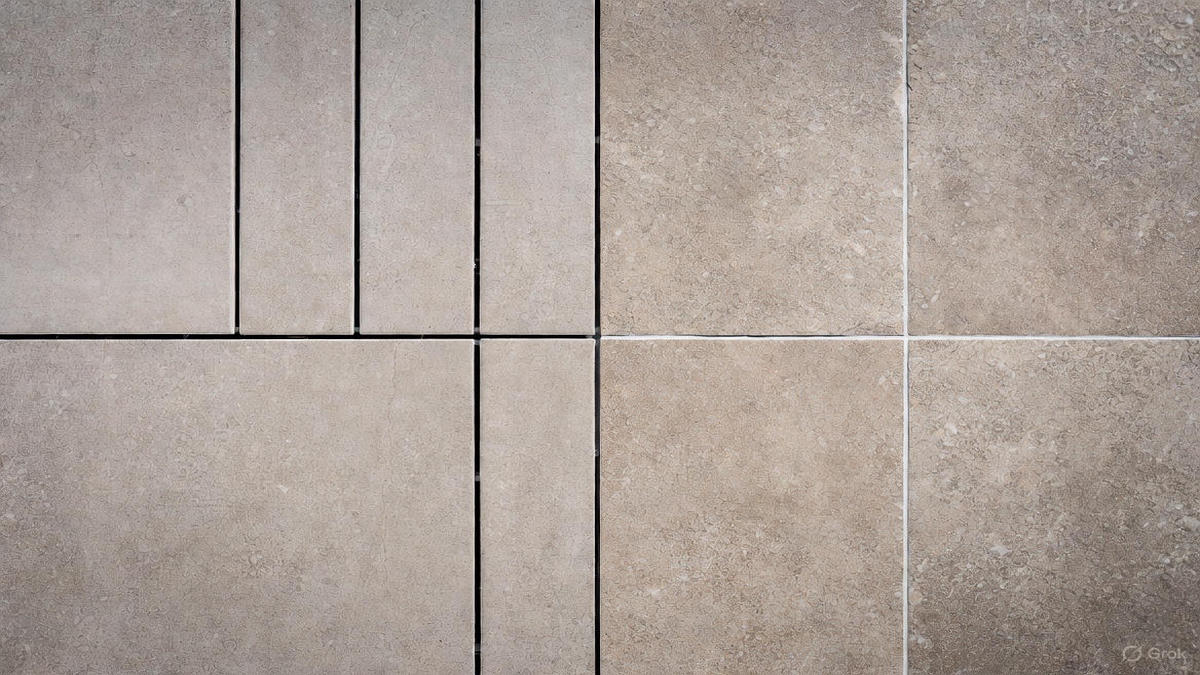
Rectified tiles are porcelain or ceramic tiles that undergo an additional precision-cutting process after they are fired. This mechanical trimming ensures that every tile has extremely straight edges and consistent sizing. Thanks to this exactness, rectified tiles can be installed with very thin grout lines—sometimes as little as 1.5 mm—creating a seamless, modern finish.
Key characteristics of rectified tiles
-
Ultra-precise edges
-
Minimal grout lines
-
Sleek, clean and contemporary aesthetic
-
More demanding installation requirements
Rectified tiles are often preferred in modern homes, luxury bathrooms, and open-plan living spaces where a continuous visual flow is desired. They also pair exceptionally well with large-format tiles and premium surfacing materials often used in minimalist designs.
This precise and modern aesthetic complements many new construction projects and design approaches, including advanced layout techniques often showcased in Smart Tiling solutions.
What Are Non-Rectified Tiles?
Non-rectified tiles—sometimes called “pressed” tiles—come straight from the kiln with natural variations in size and slight rounding along the edges. These variations occur due to the firing process, which causes tiles to shrink at slightly different rates. For this reason, installers use wider grout joints to ensure that the layout remains consistent and visually pleasing.
Key characteristics of non-rectified tiles
-
Slight size variations
-
More noticeable grout lines
-
Softer, traditional aesthetic
-
Easier and more forgiving installation
Non-rectified tiles are commonly used in vintage, traditional, artisan, or rustic-style designs. Their cushioned edges lend a classic charm to kitchens, bathrooms, and living spaces.
Rectified vs Non-Rectified Tiles: A Side-by-Side Comparison
Understanding the differences between Rectified vs Non-Rectified Tiles is crucial when choosing tiles for your home. Below is a detailed comparison of their appearance, installation requirements, maintenance needs, and suitability for different spaces.
1. Appearance
Rectified Tiles
Rectified tiles create a smooth, unified surface with minimal visual interruption. Thin grout lines make rooms appear larger, brighter, and more open.
Non-Rectified Tiles
The wider grout joints of non-rectified tiles create a more defined pattern, adding warmth, texture, and depth to the design.
2. Installation Requirements
Rectified Tiles
Because rectified tiles have sharp edges and tight tolerances, installation requires precision. Any unevenness in the subfloor can result in lippage—raised tile edges that disrupt the surface.
Rectified tile installation:
-
Requires leveling systems
-
Takes more time
-
Usually costs more
Non-Rectified Tiles
Thanks to their wider grout joints, non-rectified tiles are far more forgiving. They can accommodate slight subfloor imperfections, making installation easier and often more affordable.
3. Maintenance
Rectified Tiles
Fewer and thinner grout lines make cleaning easier. This is especially beneficial in moisture-prone areas such as bathrooms. Many homeowners follow routines similar to How to clean bathroom tiles to maintain hygiene and appearance over time.
Non-Rectified Tiles
Because they have wider grout joints, they require more regular maintenance and occasional resealing to prevent discoloration or mold growth.
4. Durability & Suitability for Different Spaces
Rectified Tiles
Best suited for:
-
Contemporary kitchens
-
Modern bathrooms
-
Spacious living rooms
-
Minimalist interiors
-
Commercial spaces with clean design lines
Their precise sizing also makes them ideal for large tiles and oversized panels used in upscale designs—similar to products described in What Are Large Format Chinese Slabs.
Non-Rectified Tiles
Best suited for:
-
Traditional kitchens
-
Vintage bathrooms
-
Rustic living areas
-
Mediterranean or farmhouse styles
Their softer edges add a cozy, handcrafted feel to any space.
Choosing Between Rectified vs Non-Rectified Tiles: Factors to Consider
1. Your Design Style
If your home leans toward modern, minimal, or contemporary styling, rectified tiles are the clear winner. For warm, traditional, or cozy aesthetics, non-rectified tiles may be more suitable.
2. Your Budget
Rectified tiles often cost more upfront, and installation can also be pricier due to the precision required. If you are renovating multiple rooms or working with a limited budget, non-rectified tiles offer excellent value without compromising beauty.
3. The Location of the Tiles
Bathrooms, powder rooms, and kitchen splashbacks often benefit from the clean look of rectified tiles. Larger rooms or rustic spaces may shine with the charm of non-rectified tiles.
If you’re planning a design layout and trying to decide how much surface to cover, you might consider concepts similar to Half Wall vs Floor to Ceiling Tiling, which influence tile type selection.
4. Maintenance Preferences
Homeowners who prefer low-maintenance solutions may find rectified tiles more practical due to fewer grout lines. Those who don’t mind occasional grout maintenance may enjoy the aesthetic benefits of non-rectified options.
Pros and Cons of Each Tile Type
Rectified Tiles
Pros
-
Modern, seamless appearance
-
Easier long-term cleaning
-
Excellent for contemporary designs
Cons
-
More expensive installation
-
Requires a perfectly level subfloor
-
Chips on sharp edges are more noticeable
Non-Rectified Tiles
Pros
-
More budget-friendly
-
Easier installation
-
Classic, warm appearance
Cons
-
Wider grout joints require more maintenance
-
Less suitable for minimalist designs
Conclusion
Choosing between Rectified vs Non-Rectified Tiles depends on your design vision, maintenance expectations, tile location, budget, and installation conditions. Rectified tiles offer a luxurious, modern appearance ideal for high-end projects, while non-rectified tiles deliver charm, warmth, and versatility at a lower cost.
Both tile types can elevate your home beautifully when chosen with intention. By understanding the strengths of each, you can confidently select the perfect tile that enhances your space for years to come.