
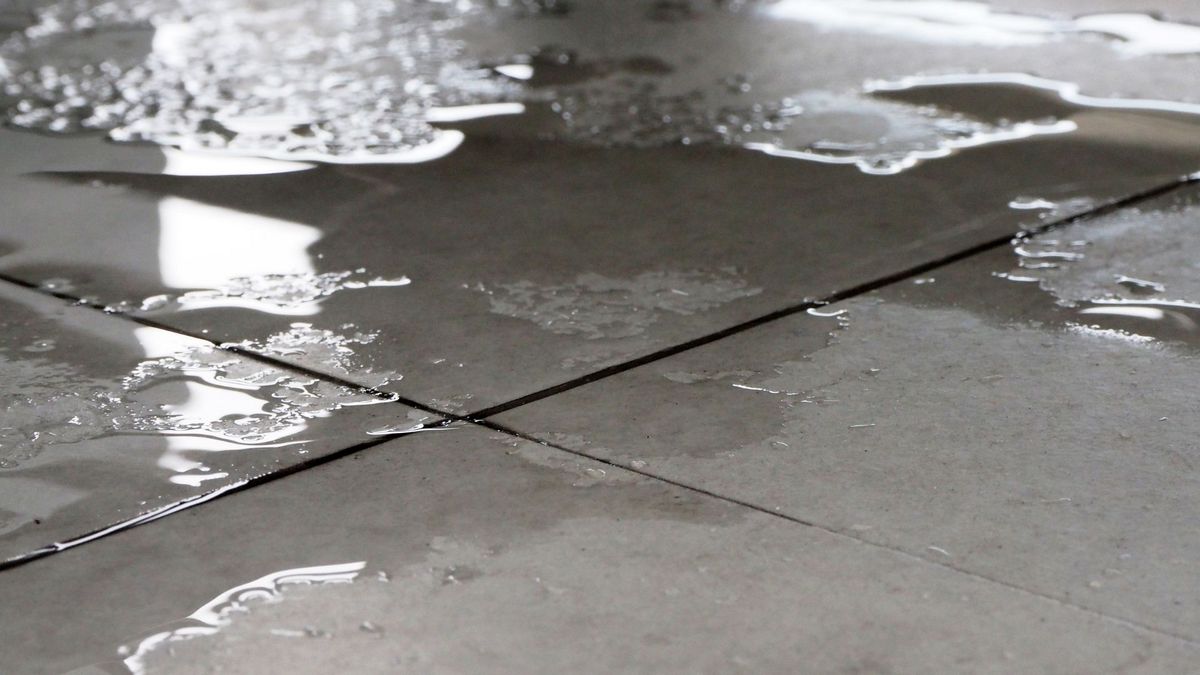
Bathrooms are one of the most challenging areas in a home when it comes to moisture management. With constant exposure to water and humidity, choosing the best moisture-resistant tiles is essential not only to prevent damage but also to create a stylish and modern environment. Today, homeowners and designers alike prioritize tiles that combine durability, functionality, and aesthetics to transform bathrooms into a comfortable, long-lasting sanctuary.
Whether you are renovating a small ensuite or a luxurious master bathroom, selecting the right tiles can make a dramatic difference in both appearance and performance. In this guide, we will explore various moisture-resistant tile options, practical installation tips, and design ideas to help you make the best choice for your space.
Why Moisture-Resistant Tiles Are Crucial
The primary function of moisture-resistant tiles is to protect bathroom surfaces from water damage. Humidity and standing water can seep into porous materials, causing warping, mold growth, or discoloration. By using the best moisture-resistant tiles, you ensure the longevity of your bathroom while reducing the need for costly repairs.
Additionally, these tiles offer practical benefits such as ease of cleaning, slip resistance, and compatibility with heated floors, making them ideal for modern homes.
Top Materials for Moisture-Resistant Tiles
Porcelain Tiles
When considering bathroom tiles, many homeowners ask, “What Is Porcelain Tile?” Porcelain is a dense, non-porous material fired at high temperatures, which makes it highly resistant to moisture, stains, and wear. Its low water absorption rate ensures that it performs exceptionally well in wet areas like showers, floors, and backsplashes.
Porcelain tiles are available in a variety of finishes, sizes, and patterns, giving designers flexibility in creating both traditional and contemporary bathroom designs. The durability and longevity of porcelain make it one of the most popular choices for best moisture-resistant tiles.
Ceramic Tiles
Ceramic tiles are another excellent option, although slightly less dense than porcelain. They are still moisture-resistant and versatile, offering endless design possibilities. Comparing Porcelain and Ceramic Tiles can help homeowners make an informed decision. While porcelain is better suited for high-traffic or wet areas, ceramic tiles are often preferred for walls or decorative accents due to their lighter weight and ease of installation.
Natural Stone Tiles
For a luxurious bathroom feel, natural stone tiles such as slate, granite, or marble are stunning. While they offer elegance and timeless beauty, they are generally more porous and require sealing to perform well as moisture-resistant tiles. With proper care, natural stone can be both beautiful and functional in wet spaces.
Innovative Tile Designs for Moisture Resistance
Moisture-resistant tiles today are not just functional—they are also stylish. Here are a few trending options:
-
Black Hexagon Tile for Bathroom: Hexagon tiles in black are perfect for creating a modern, geometric look while remaining highly water-resistant. They are especially striking as floor tiles or accent walls in wet areas.
-
Checkerboard Patterns: If you’ve wondered What is Checkerboard Tile, it’s a classic alternating tile design that works surprisingly well in modern bathrooms. Using moisture-resistant tiles in checkerboard patterns can combine durability with visual interest.
-
Large-Format Tiles: Bigger tiles reduce the number of grout lines, which decreases water penetration and makes cleaning easier.
-
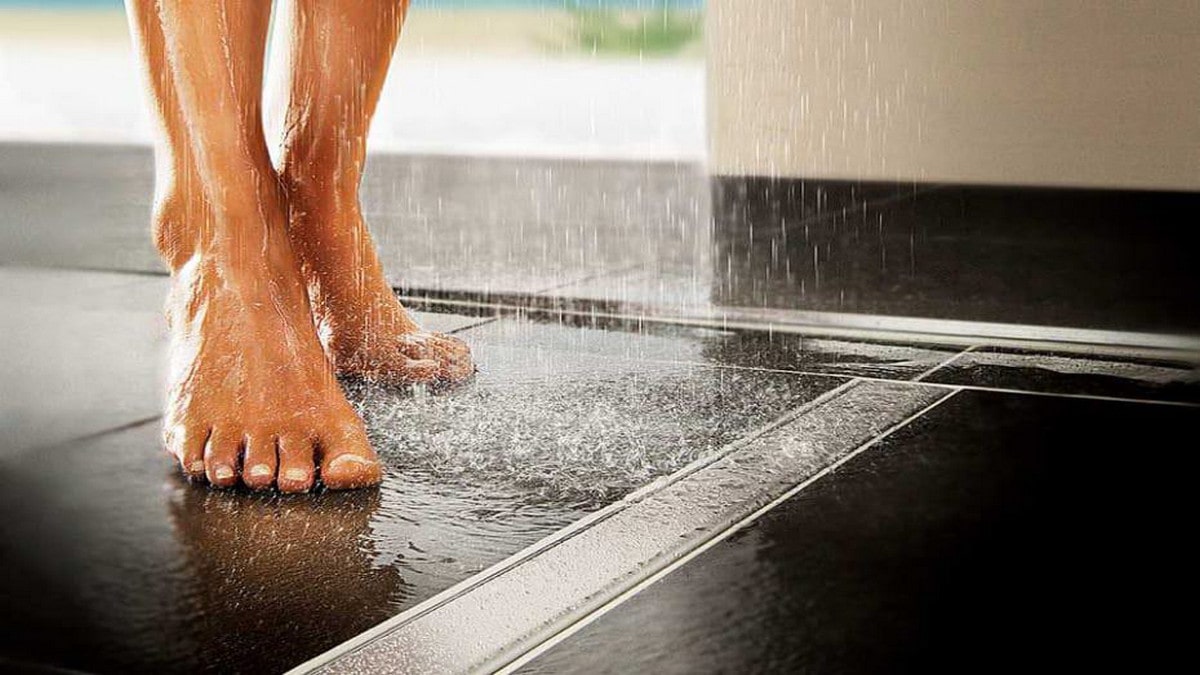
Textured Tiles: Subtle textures add slip resistance without compromising style, making them ideal for shower floors or entry areas.
Color and Finish Considerations
When choosing best moisture-resistant tiles, finish and color are crucial for both aesthetics and performance. Glossy tiles reflect light, giving the bathroom a brighter and more spacious feel, while matte tiles provide a subtle, sophisticated look that hides water spots and fingerprints. Neutral tones like grays, whites, and earth colors are timeless, but bold colors and patterns can add personality.
Designers are increasingly combining finishes and textures to create depth in bathrooms. A matte floor paired with a glossy wall or a patterned accent can achieve both style and practicality.
Installation Tips for Maximum Moisture Resistance
Even the best tiles can fail if not installed correctly. Here are some expert installation tips:
-
Proper Substrate Preparation: Ensure that the surface is smooth, clean, and waterproofed.
-
Use Quality Adhesives and Grouts: High-quality, water-resistant adhesives and grout prevent water seepage.
-
Seal Porous Materials: Natural stone or certain ceramic tiles may require sealing to maintain moisture resistance.
-
Slope for Drainage: Ensure shower floors are sloped toward the drain to avoid standing water.
Following these steps will help your best moisture-resistant tiles perform well for years.
Tile Maintenance for Long-Term Performance
Moisture-resistant tiles are easier to maintain than standard tiles, but proper care extends their lifespan:
-
Clean regularly with non-abrasive cleaners to avoid scratches.
-
Re-seal natural stone tiles annually to prevent water absorption.
-
Inspect grout lines periodically and re-grout if necessary to maintain a waterproof barrier.
With these simple maintenance steps, your bathroom will remain dry and stylish for years.
Combining Functionality with Style
Modern bathroom design no longer sacrifices style for durability. By choosing best moisture-resistant tiles, you can combine practicality with elegance. Consider mixing textures, patterns, and colors to suit your taste while ensuring that your bathroom remains safe and moisture-free.
For example, black hexagon tiles provide dramatic visual impact while being moisture-resistant, whereas porcelain or ceramic checkerboard patterns offer a timeless charm. Large-format and textured tiles further enhance functionality while elevating design aesthetics.
Eco-Friendly and Innovative Options
Sustainability is also becoming a key consideration. Many tile manufacturers now offer recycled or low-impact production tiles that are highly moisture-resistant. This means you can select environmentally friendly options without compromising performance. Choosing these tiles contributes to a greener home while maintaining a sleek, durable bathroom.
Conclusion
Selecting the best moisture-resistant tiles is essential for creating a bathroom that is both stylish and functional. Whether you prefer porcelain, ceramic, natural stone, or trendy patterns like black hexagons and checkerboards, there are endless options to suit any design.
By considering material, finish, installation techniques, and maintenance, you can ensure your bathroom remains dry, safe, and visually appealing for years. The right tiles not only enhance your space but also protect your investment, making them a crucial element in any successful bathroom renovation.