
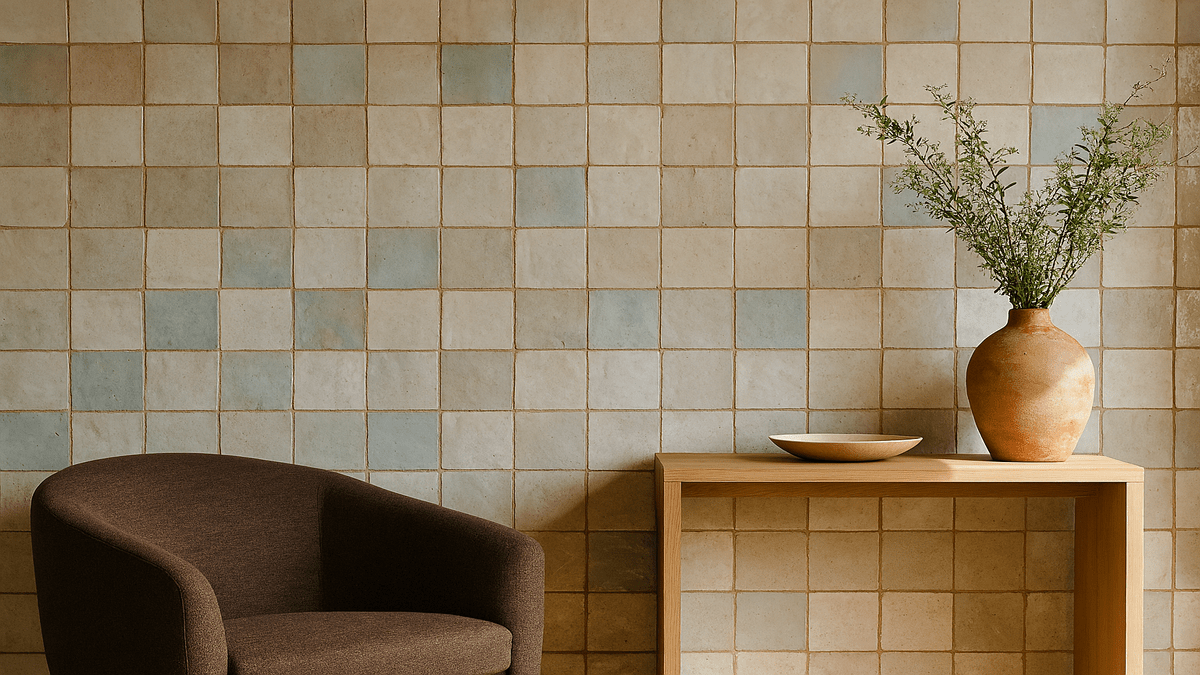
Modern interior design is moving away from uniformity and mass production toward individuality, texture, and craftsmanship. Homeowners today are no longer satisfied with spaces that look identical to everyone else’s. Instead, they are seeking materials that feel personal, authentic, and visually rich. This shift has placed Handmade Tiles in Modern Design at the forefront of contemporary interiors.
In 2025, handmade tiles are not just a decorative choice; they are a design statement. Their imperfect beauty, subtle variations, and artisanal quality bring warmth and character into modern homes. From kitchens and bathrooms to feature walls and fireplaces, these tiles are redefining how designers approach modern spaces.
This article explores why handmade tiles are rising in popularity, how they fit seamlessly into modern interiors, and why they have become a defining trend in Melbourne homes.
The Return of Craftsmanship in Modern Interiors
Why Imperfection Is the New Luxury
For years, modern design focused on flawless finishes and precise symmetry. However, today’s homeowners are embracing materials that tell a story. Handmade tiles offer exactly that—no two pieces are ever identical. Variations in glaze, texture, and tone create depth and visual interest that machine-made tiles simply cannot replicate.
This appreciation for imperfection reflects a broader lifestyle shift. People want their homes to feel human, warm, and lived-in. Handmade Tiles in Modern Design respond to this desire by adding authenticity without compromising sophistication.
Artisanal Materials in Contemporary Spaces
Handmade tiles are rooted in traditional techniques, yet they integrate beautifully into modern environments. When paired with clean lines, neutral color palettes, and minimalist layouts, they create a striking contrast. This balance between old and new is one of the key reasons designers continue to incorporate them into contemporary projects.
Why Handmade Tiles Are Trending in 2025
A Reaction Against Mass Production
Mass-produced materials dominate many modern homes, often resulting in interiors that feel generic. Handmade tiles challenge this norm. Each tile carries the mark of the artisan who created it, offering a sense of exclusivity that resonates with modern homeowners.
As design trends evolve, Handmade Tiles in Modern Design are increasingly viewed as an investment rather than a passing fad.
Sustainability and Ethical Design Choices
Another reason for the rise of handmade tiles is sustainability. Many handmade tile producers use environmentally conscious processes, small-batch production, and locally sourced materials. This aligns with the growing demand for ethical design choices, especially among homeowners who prioritize sustainability in renovation and construction.
Handmade Tiles in Australian and Melbourne Homes
Melbourne’s Design Culture and Unique Aesthetics
Melbourne has long been recognized for its strong design identity. The city embraces creativity, individuality, and architectural diversity. In this context, Handmade Tiles in Modern Design feel like a natural fit.
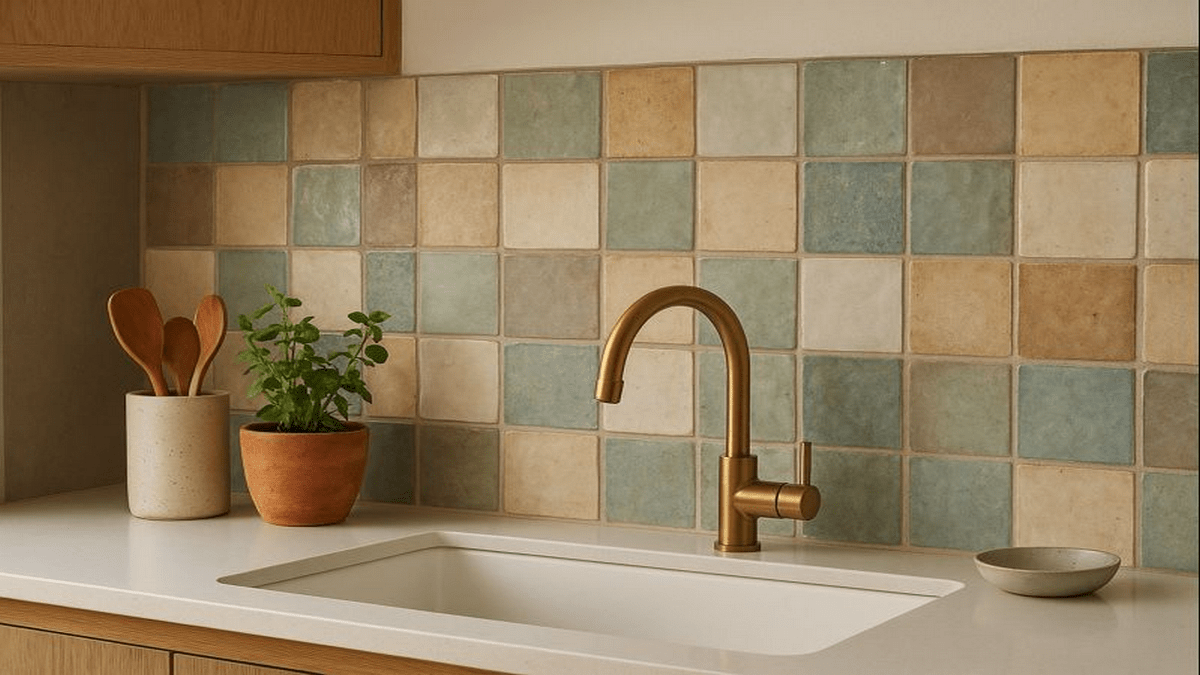
Melbourne homeowners often use handmade tiles as feature elements—kitchen splashbacks, bathroom walls, or fireplace surrounds—to add personality to otherwise minimalist spaces.
Blending Handmade Tiles with Modern Australian Architecture
Australian homes frequently emphasize open-plan layouts and natural light. Handmade tiles enhance these qualities by reflecting light differently across textured surfaces. Their organic finishes complement materials such as timber, concrete, and stone commonly found in modern Australian interiors.
Applications of Handmade Tiles in Modern Spaces
Kitchens as Artistic Focal Points
In modern kitchens, tiles are no longer purely functional. Handmade tiles transform splashbacks into artistic statements while remaining practical and easy to maintain. Their rich textures and glazes add depth without overwhelming the space, reinforcing the appeal of Handmade Tiles in Modern Design.
Bathrooms That Feel Personal and Timeless
Bathrooms benefit greatly from handmade tiles. Their subtle irregularities create a calming, spa-like atmosphere. Designers often combine them with neutral fixtures and soft lighting to produce spaces that feel luxurious yet approachable.
Expanding Design Possibilities in Living Areas
Tiles are increasingly being used beyond kitchens and bathrooms. Feature walls and fireplaces are becoming popular applications, especially when rethinking Living Room Tile Design. Handmade tiles add warmth and artistic expression while maintaining a modern aesthetic.
Performance and Practicality of Handmade Tiles
Strength Meets Style
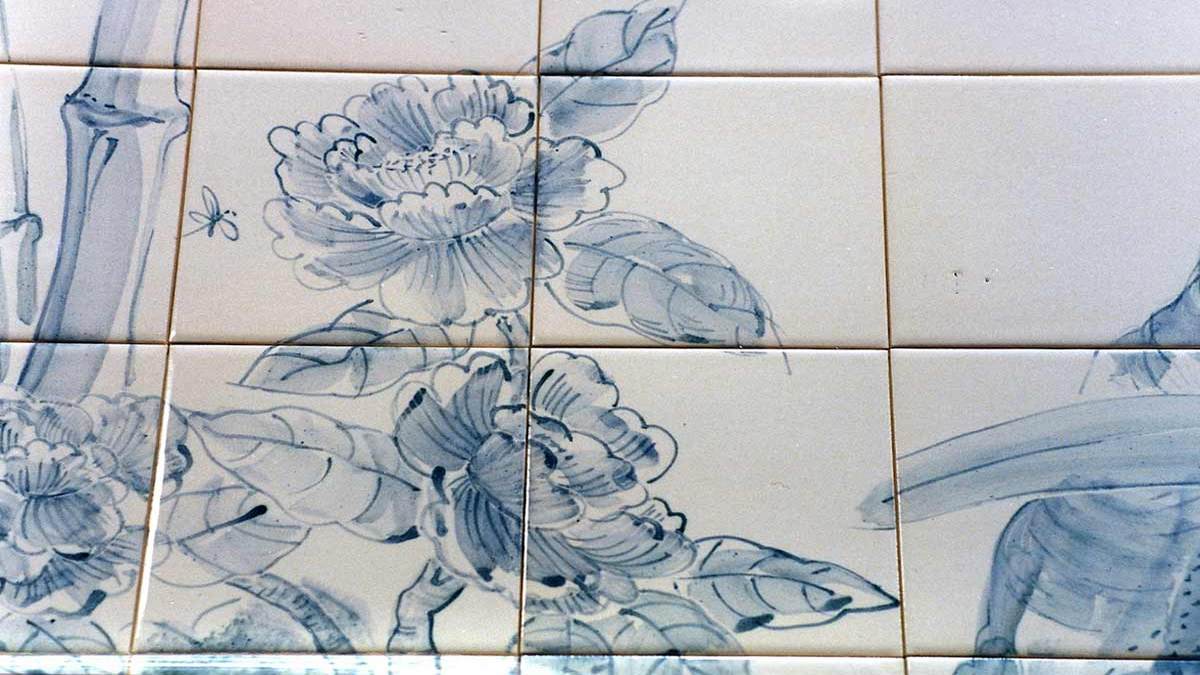
There is a misconception that handmade tiles are purely decorative. In reality, many options today are designed for everyday use. With proper selection and installation, handmade tiles can perform as reliably as Durable Floor Tiles, making them suitable for high-traffic areas.
Installation Considerations
Successful tile projects depend on expert installation. Renovations often raise questions about existing surfaces, and understanding processes like How to Tiling Over Existing Tiles can help homeowners achieve stunning results without unnecessary structural changes.
Coastal Influences and Modern Tile Trends
Soft Textures and Natural Palettes
Coastal-inspired interiors remain popular across Australia. Handmade tiles fit effortlessly into this style, thanks to their organic textures and earthy tones. When paired with Coastal Style Tiles, they help create relaxed, airy spaces that reflect the Australian lifestyle.
Handmade Tiles and Modern Minimalism
Even in minimalist interiors, handmade tiles have a place. Used sparingly, they introduce texture without disrupting clean design lines, reinforcing the long-term appeal of Handmade Tiles in Modern Design.
Long-Term Value and Future Design Trends
Enhancing Property Appeal
In competitive property markets like Melbourne, thoughtful design choices matter. Handmade tiles signal quality, attention to detail, and timeless design—qualities that appeal to future buyers and enhance resale value.
The Future of Handmade Tiles
As technology evolves, artisans continue to innovate while preserving traditional methods. New glaze techniques, custom shapes, and experimental finishes ensure that Handmade Tiles in Modern Design will remain relevant well beyond 2025.
Conclusion
The growing popularity of handmade tiles reflects a deeper shift in modern living. Homeowners are prioritizing authenticity, craftsmanship, and individuality over perfection. Handmade Tiles in Modern Design capture this mindset by blending traditional artistry with contemporary aesthetics.
In Melbourne and across Australia, these tiles are shaping interiors that feel personal, timeless, and visually compelling. Whether used as subtle accents or bold focal points, handmade tiles offer a unique way to elevate modern homes while celebrating the beauty of imperfection.